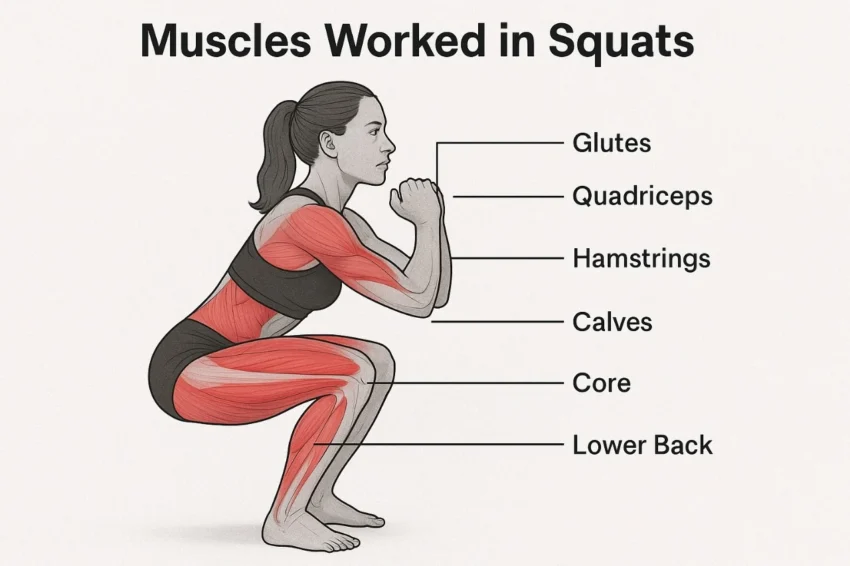
Squats mainly work the quadriceps, glutes, hamstrings, and adductors, while also engaging the core, calves, and lower back for stability. Because so many muscles activate at the same time, squats burn more calories and build more strength than most exercises.
What Muscles Do Squats Work?
Squats are known as the king of lower-body exercises—and for good reason. This simple movement activates nearly every major muscle in your legs, hips, and core. Whether you’re a beginner learning bodyweight squats or an advanced lifter doing heavy barbell squats, the muscles involved remain almost the same. Squats build strength, improve balance, increase mobility, and make your entire lower body more powerful.
This complete breakdown explains exactly which muscles work during squats, how they function in each phase, and how different squat variations change muscle activation.
Primary Muscles Worked During Squats
1. Quadriceps (Front Thigh Muscles)
The quadriceps are the main workers in every squat. These four muscles straighten your knees when you stand up. During the descent, your quads control your speed so you don’t fall. During the ascent, they contract strongly to lift your body.
Why they matter:
- Increase leg strength
- Improve jumping and running power
- Boost knee stability
- Essential for deeper squats
The deeper your squat, the more your quads fire.
2. Gluteus Maximus (Buttocks)
The glutes are the most powerful muscles in your lower body—and squats activate them heavily. They work hard at the bottom of the squat when your hips bend, and they contract strongly when you stand back up.
Glutes help with:
- Hip extension (pushing hips forward)
- Building a strong, firm lower body
- Improving posture
- Increasing athletic power
Deep squats activate up to 2–3× more glute fibers compared to partial squats.
3. Hamstrings (Back of Thigh)
Hamstrings support the squat by helping your hips move and keeping your knees stable. They are not the primary movers, but they work strongly during the lowering phase.
Role in squats:
- Control the descent
- Assist glutes during hip extension
- Reduce stress on the knees
- Improve balance and stability
4. Adductors (Inner Thigh Muscles)
The adductor magnus—the largest adductor—is extremely active in squats. It helps your hips open and close and stabilizes your knees.
Adductors help with:
- Hip stabilization
- Maintaining squat balance
- Improving depth
- Supporting glutes during heavy lifts
Wider stance squats (sumo) increase adductor activation even more.
Secondary Muscles Worked During Squats
1. Calves
Your calves stabilize your ankles and prevent your heels from lifting during the squat. They also help control your movement when descending into a deeper position.
2. Hip Flexors
These muscles prevent your upper body from falling forward. They keep your torso stable and aligned with your hips.
3. Core Muscles (Abs & Obliques)
Your core acts as a natural lifting belt. Every squat requires your core to stay tight to protect your spine.
Benefits:
- Prevents lower-back rounding
- Improves balance
- Helps transfer power from legs to upper body
4. Lower Back (Erector Spinae)
These muscles keep your spine upright and neutral. They work especially hard in barbell squats to stabilize the weight.
How Squat Depth Changes Muscle Activation

Quarter Squat
- High quad involvement
- Low glute and hamstring activation
- More pressure on knees
Parallel Squat
- Balanced quad + glute activation
- Ideal for general fitness
- Builds overall lower-body strength
Deep Squat (Ass to Grass)
- Maximum glute and adductor activation
- Best for strength and growth
- Requires ankle & hip mobility
Muscles Worked in Different Squat Variations
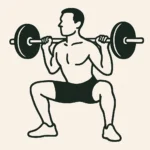
1. Back Squat
- Strong glute activation
- High quad involvement
- Great for strength and power
- Needs solid core stability
2. Front Squat
- More quad-focused
- Upright torso reduces back stress
- Ideal for knee-strength and mobility
3. Goblet Squat
- Beginner-friendly
- Builds quad and core strength
- Helps fix squat form and posture
4. Sumo Squat
- High adductor activation
- More glute involvement
- Great for inner-thigh strength
5. Bulgarian Split Squat
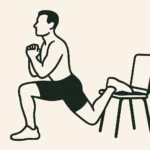
- Extremely quad + glute dominant
- Corrects left-right muscle imbalance
- Increases hip mobility and stability
6. Overhead Squat

- Full-body squat variation
- Works core, shoulders, and upper back
- Requires excellent balance and mobility
Common Mistakes That Reduce Muscle Activation
- Knees collapsing inward
- Rounding the lower back
- Lifting heels off the ground
- Leaning too far forward
- Not going deep enough
- Using too much weight with poor form
Correcting these mistakes instantly increases the effectiveness of your squats.
How to Activate More Muscles During Squats
✔ Use full range of motion
✔ Keep your core tight
✔ Push knees outward (proper knee tracking)
✔ Maintain a straight, upright torso
✔ Improve ankle and hip mobility
✔ Choose the right stance width
✔ Warm up properly before lifting
Benefits of Squats
- Build strong legs and glutes
- Increase lower-body power
- Improve mobility and flexibility
- Burn high calories
- Strengthen core and back
- Improve sports performance
- Enhance balance and stability
Frequently Asked Questions (FAQs)
1. Do squats work more quads or glutes?
Squats work both, but deeper squats activate more glutes, and upright squats activate more quads.
2. Are squats safe for knees?
Yes, when performed with proper form. Deep squats are not harmful for healthy knees.
3. Which squat variation builds the most muscle?
Barbell back squats and Bulgarian split squats activate the highest amount of muscle.
4. How many times a week should I squat?
Most people get best results with 2–3 times per week.
5. Do squats work the core?
Absolutely—your abs, obliques, and lower back stabilize your body throughout the movement.
Conclusion
Squats are one of the most powerful exercises for building a strong, balanced, and athletic lower body. They target the quads, glutes, hamstrings, core, and many supporting muscles, making them an essential part of any strength or fitness routine. Whether you choose back squats, front squats, goblet squats, or Bulgarian split squats, learning correct form and using full range of motion will help you maximize results and train safely.
Related topics:
Benefits of Squats & Variations