
The Legendary Anime-Inspired Fitness Challenge
The One Punch Man workout has captivated fitness enthusiasts worldwide, drawing inspiration from the popular anime series where protagonist Saitama achieves superhuman strength through a deceptively simple training regimen. This workout consists of 100 push-ups, 100 sit-ups, 100 squats, and a 10-kilometer (6.2-mile) run performed daily for three years, as depicted in the fictional story.

What makes this workout particularly intriguing is its minimalist approach to fitness. Unlike complex gym routines requiring expensive equipment, the One Punch Man workout relies entirely on bodyweight exercises and basic cardiovascular training. This system hits many major movement patterns including pushing motion (push-ups), core training (sit-ups), leg training (squats), and cardiovascular conditioning (running).
What Is the One Punch Man Workout? (Detailed Breakdown)
The Core Components
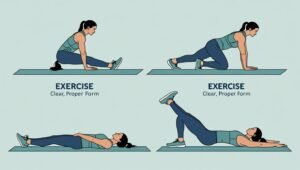
The Saitama training routine consists of four fundamental exercises performed in sequence:
| Exercise | Repetitions | Primary Muscles Targeted | Secondary Benefits |
|---|---|---|---|
| Push-ups | 100 reps | Chest, shoulders, triceps, core | Functional upper body strength, muscular endurance |
| Sit-ups | 100 reps | Abdominals, hip flexors | Core stability, lower back engagement |
| Squats | 100 reps | Quadriceps, glutes, hamstrings, calves | Lower body strength, mobility, balance |
| Running | 10km (6.2 miles) | Full body cardiovascular system | Aerobic endurance, calorie burn, mental toughness |
Additional Rules from the Anime
According to the original series, practitioners should never use air conditioning in summer or heating in winter to strengthen the mind, eat three meals daily (with just a banana for breakfast being acceptable), and maintain this routine consistently for optimal results.
The Science Behind the One Punch Man Workout
Physiological Benefits
This hyper-focused routine builds immense strength, endurance, and resilience. The high-volume approach to bodyweight training creates several adaptations:
| Adaptation Type | Benefits | Timeline | Evidence Level |
|---|---|---|---|
| Muscular Endurance | Improved ability for repeated contractions | 2-4 weeks | High |
| Cardiovascular Health | Reduced risk of heart disease, diabetes, obesity | 4-8 weeks | Very High |
| Body Composition | Weight loss, muscle toning, fat reduction | 6-12 weeks | Moderate-High |
| Mental Resilience | Increased discipline, stress tolerance, confidence | 1-2 weeks | High |
| Metabolic Function | Enhanced calorie burn, improved insulin sensitivity | 3-6 weeks | High |
Movement Pattern Analysis
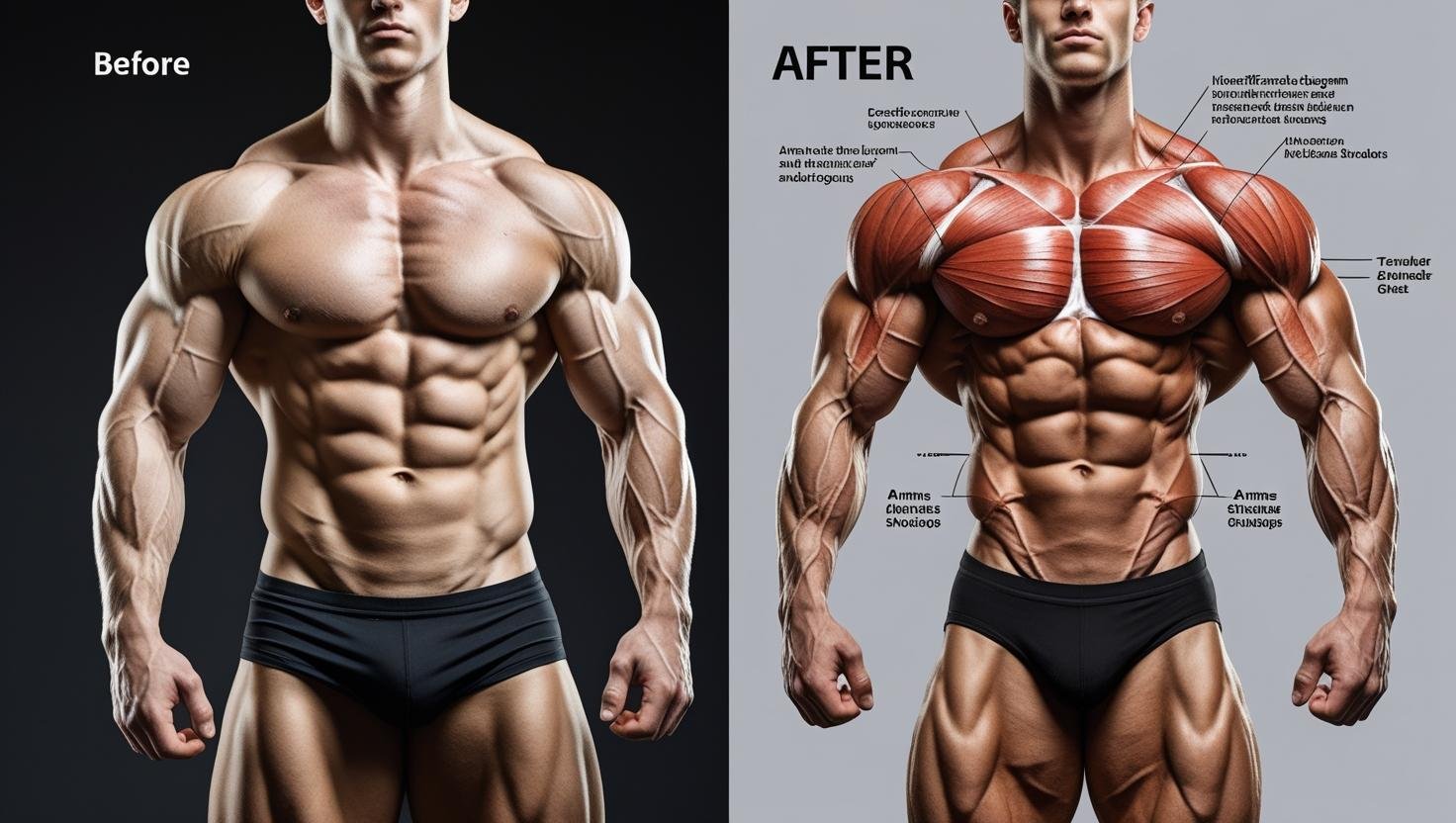
These bodyweight exercises hit more muscle groups in a more natural pattern compared to typical gym routines like cable curls. The workout incorporates fundamental human movement patterns that translate to real-world functional strength.
Benefits vs. Drawbacks Comparison
| Aspect | Benefits | Drawbacks |
|---|---|---|
| Equipment | No equipment needed, can do anywhere | Limited progression options without weights |
| Cost | Completely free | No professional guidance included |
| Time | Efficient full-body workout | Requires 60-90 minutes daily commitment |
| Accessibility | Suitable for home, travel, any location | High volume may be overwhelming for beginners |
| Variety | Simple, consistent routine | Can become monotonous over time |
| Results | Builds endurance, cardiovascular health | Limited maximal strength development |
| Injury Risk | Uses natural movement patterns | High repetition increases overuse injury risk |
| Motivation | Anime connection provides inspiration | Requires high self-discipline |
Risk Assessment and Injury Prevention
| Risk Category | Specific Risks | Prevention Strategies | Severity Level |
|---|---|---|---|
| Overuse Injuries | Repetitive strain, joint wear, chronic fatigue | Progressive loading, rest days, proper form | High |
| Muscle Imbalances | Weak back, tight hip flexors, shoulder issues | Add pulling exercises, stretching routine | Moderate |
| Cardiovascular Strain | Overexertion, dehydration, heat exhaustion | Gradual progression, proper hydration | Moderate |
| Joint Problems | Knee pain, lower back issues, wrist strain | Form correction, surface consideration | High |
| Burnout/Overtraining | Decreased performance, mood changes, fatigue | Scheduled rest, varied intensity | Moderate |
Real-World Results Analysis
| Practitioner | Duration | Key Results | Challenges Faced | Success Rating |
|---|---|---|---|---|
| Brandon William (YouTuber) | 100 days | Visible muscle definition, improved endurance | Initial soreness, time management | 8/10 |
| Two-week challenger | 14 days | Increased stamina, muscle soreness | Fatigue, difficulty completing full routine | 6/10 |
| 36-year-old modified approach | 3 months | Consistent completion, fitness improvement | Breaking into manageable sets needed | 9/10 |
| Beginner attempts | 1-2 weeks | Quick burnout, incomplete sessions | Too intense, poor form | 3/10 |
| Experienced athletes | 6+ months | Maintained fitness, mental toughness | Plateau in strength gains | 7/10 |
Effectiveness Assessment Table
| Fitness Goal | Effectiveness | Timeframe | Recommendation |
|---|---|---|---|
| Weight Loss | High | 4-8 weeks | Combine with proper nutrition |
| Muscle Building | Moderate | 6-12 weeks | Add resistance training |
| Cardiovascular Health | Very High | 2-4 weeks | Excellent primary benefit |
| Strength Development | Low-Moderate | 8+ weeks | Supplement with weights |
| Mental Toughness | Very High | 1-2 weeks | Primary psychological benefit |
Progressive Training Schedule
| Fitness Level | Week 1-2 | Week 3-4 | Week 5-8 | Week 9+ |
|---|---|---|---|---|
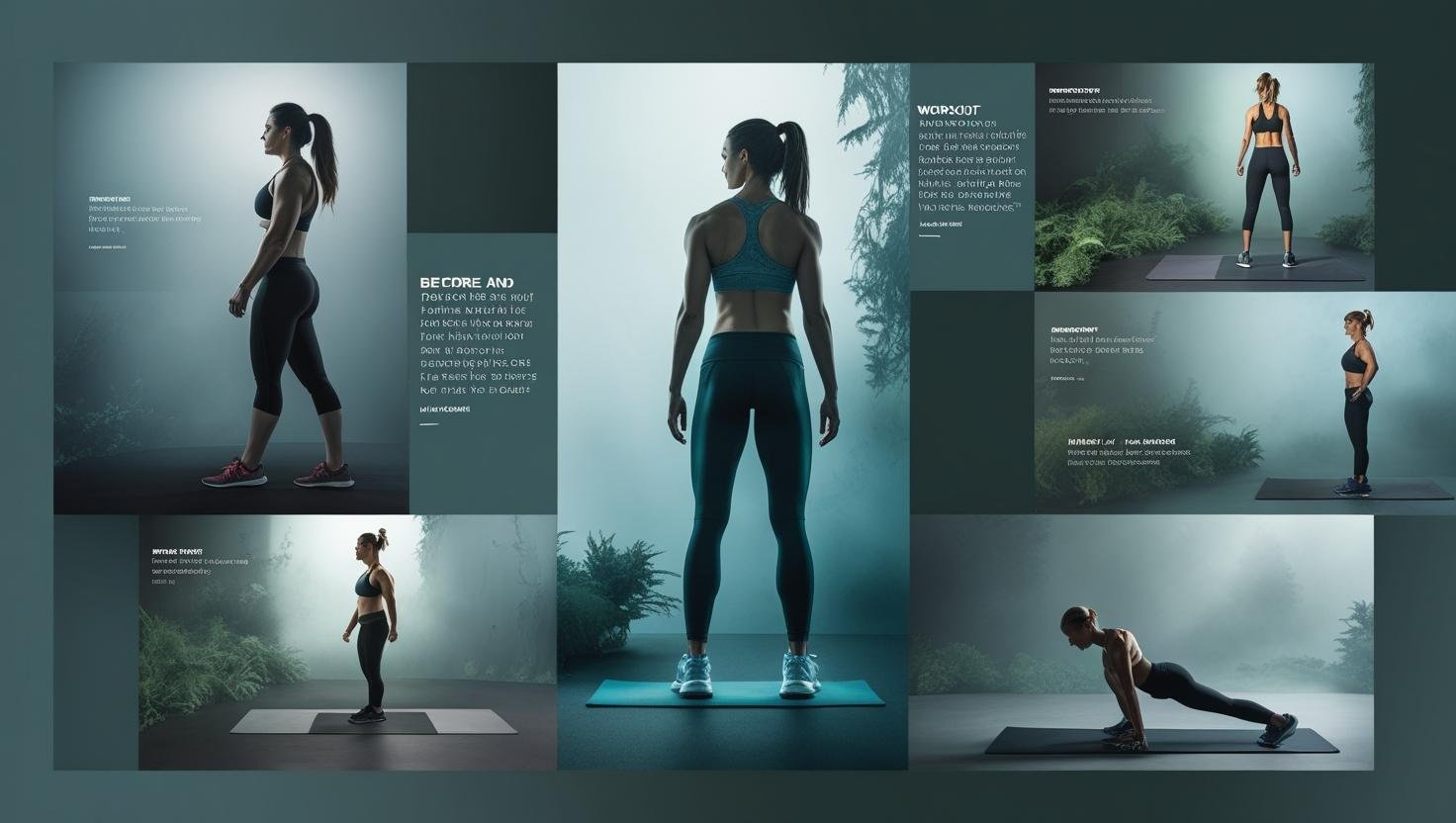
| Beginner | 20 reps each + 2km walk | 40 reps each + 4km jog | 60 reps each + 6km run | 80 reps each + 8km run |
| Intermediate | 50 reps each + 5km run | 70 reps each + 7km run | 90 reps each + 9km run | Full routine |
| Advanced | 100 reps each + 10km run | Add variations | Weighted versions | Multiple daily sessions |
Modification Strategies by Experience Level
| Level | Push-up Modification | Squat Modification | Sit-up Alternative | Running Adjustment |
|---|---|---|---|---|
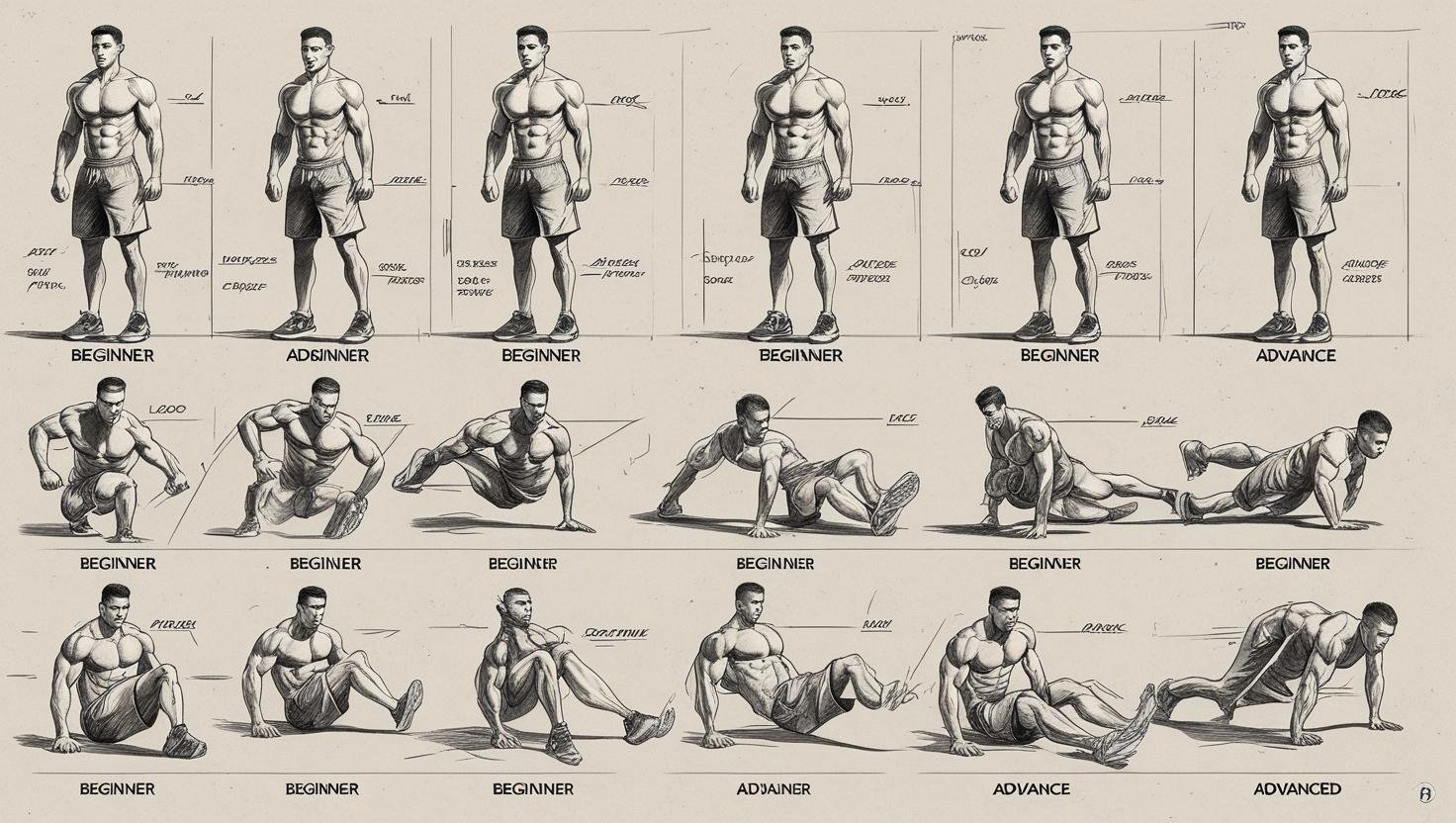
| Beginner | Knee push-ups, wall push-ups | Chair-assisted squats | Crunches, dead bugs | Walk-jog intervals |
| Intermediate | Standard form, varied hand positions | Jump squats, pulse squats | Bicycle crunches, planks | Steady-state running |
| Advanced | Diamond, decline, archer push-ups | Pistol squats, weighted squats | Hanging leg raises, L-sits | Sprint intervals, hills |
Weekly Training Structure Options
| Approach | Monday | Tuesday | Wednesday | Thursday | Friday | Saturday | Sunday |
|---|---|---|---|---|---|---|---|
| Daily Routine | Full workout | Full workout | Full workout | Full workout | Full workout | Full workout | Full workout |
| 6-Day Split | Full workout | Full workout | Full workout | Rest | Full workout | Full workout | Full workout |
| Modified | Upper focus | Lower focus | Cardio focus | Rest | Full workout | Full workout | Active recovery |
Core Exercise Alternatives Comparison
| Exercise Type | Traditional Sit-ups | Better Alternatives | Safety Rating | Effectiveness |
|---|---|---|---|---|
| Core Stability | Sit-ups (3/10) | Planks, dead bugs | 9/10 | 9/10 |
| Rotational Strength | Sit-ups (2/10) | Russian twists, bicycle crunches | 8/10 | 8/10 |
| Lower Abs | Sit-ups (4/10) | Leg raises, mountain climbers | 7/10 | 9/10 |
| Overall Core | Sit-ups (4/10) | Plank variations, bird dogs | 9/10 | 8/10 |
| Spinal Health | Sit-ups (2/10) | Dead bugs, anti-extension holds | 10/10 | 8/10 |
Recommended Core Exercise Substitutions
| Original | Replacement | Reps/Duration | Primary Benefit |
|---|---|---|---|
| 100 Sit-ups | 5-minute plank hold | 5 x 1-minute holds | Spinal stability |
| 100 Sit-ups | 100 Dead bugs | 50 each side | Core coordination |
| 100 Sit-ups | 100 Bicycle crunches | 50 each side | Rotational strength |
| 100 Sit-ups | 100 Mountain climbers | 50 each leg | Dynamic core work |
Nutritional Strategy Table
| Meal Timing | Original Anime Rule | Optimal Nutrition Strategy | Calorie Range | Key Components |
|---|---|---|---|---|
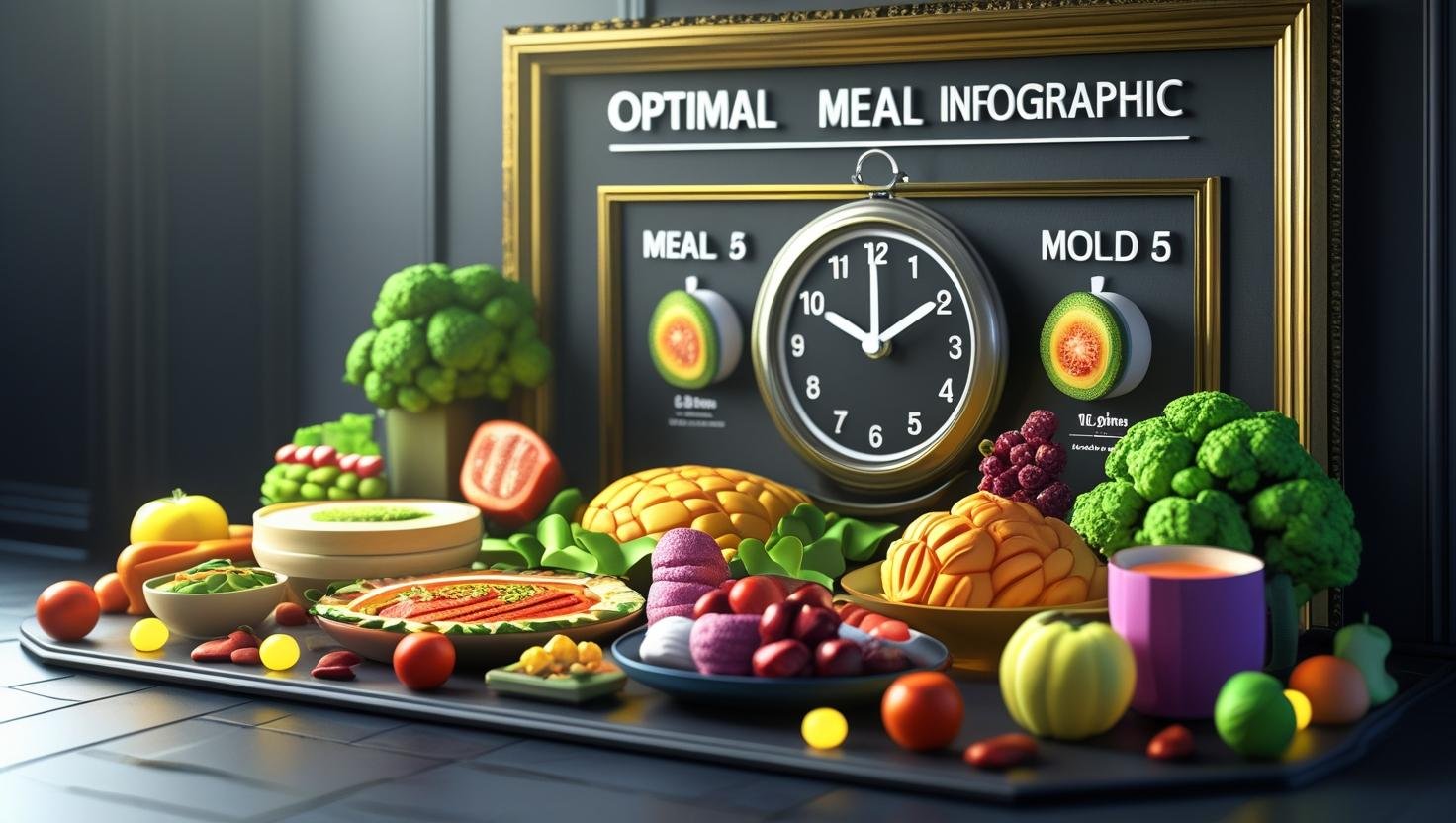
| Breakfast | Just a banana | Balanced carbs + protein | 300-500 calories | Banana, oats, protein powder, nuts |
| Pre-Workout | Not specified | Light carbohydrates | 100-200 calories | Banana, dates, small energy bar |
| Post-Workout | Not specified | Protein + carbs | 200-400 calories | Protein shake, chocolate milk, Greek yogurt |
| Lunch | Regular meal | Balanced macro nutrients | 500-700 calories | Lean protein, complex carbs, vegetables |
| Dinner | Regular meal | Recovery-focused | 400-600 calories | Anti-inflammatory foods, complete proteins |
Daily Nutrition Breakdown
| Nutrient | Percentage | Grams (for 70kg person) | Food Sources | Training Benefit |
|---|---|---|---|---|
| Carbohydrates | 45-65% | 200-300g | Oats, rice, fruits, vegetables | Energy for high-volume training |
| Protein | 15-25% | 100-150g | Chicken, fish, eggs, legumes | Muscle recovery and growth |
| Fats | 20-35% | 50-80g | Nuts, avocado, olive oil | Hormone production, joint health |
| Water | N/A | 3-4 liters | Water, herbal teas | Hydration, recovery, performance |
Training Schedule and Progression Strategy
Weekly Structure
Daily Consistency Approach While the anime suggests daily training, real-world application should consider recovery needs:
| Schedule Type | Training Days | Rest Days | Recovery Strategy | Best For |
|---|---|---|---|---|
| Recommended Approach | 6 days per week | 1 complete rest day | Active recovery on rest day | Most practitioners |
| Anime Purist | 7 days per week | None | Listen to body signals only | Advanced athletes only |
| Conservative | 4-5 days per week | 2-3 rest days | Full recovery focus | Beginners, injury-prone |
| Flexible | 5-6 days per week | 1-2 rest days | Body signal-based adjustment | Intermediate level |
Progression Timeline
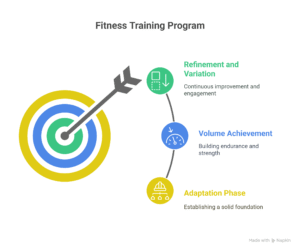
Month 1: Adaptation Phase Focus on form development and gradual volume increase
Month 2-3: Volume Achievement Work toward full 100-rep targets and complete 10km runs
Month 4+: Refinement and Variation Maintain base routine while adding challenging variations
Form Analysis and Common Mistakes
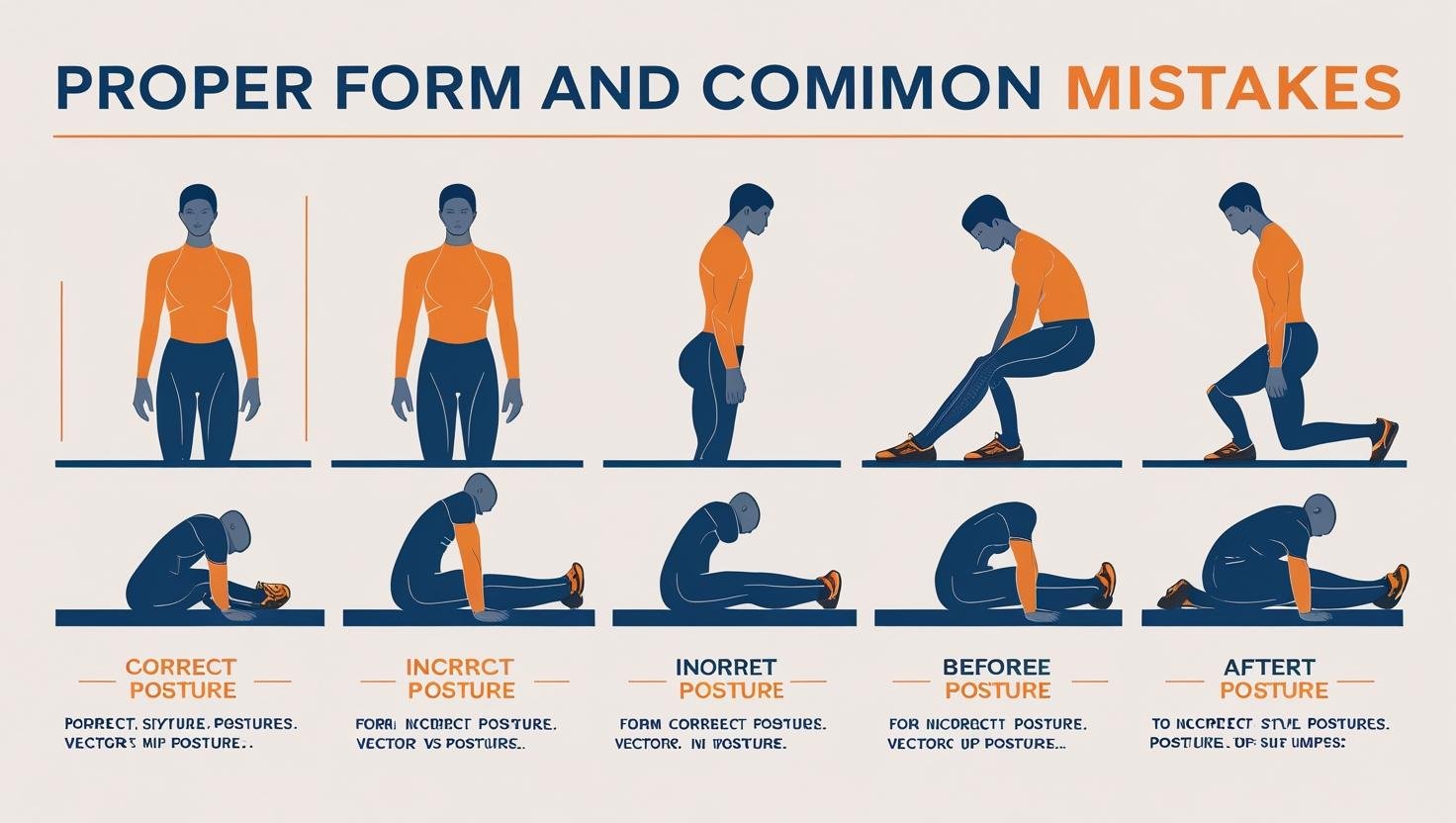
| Exercise | Correct Form Key Points | Common Mistakes | Injury Risk | Correction Strategy |
|---|---|---|---|---|
| Push-ups | Straight body line, full ROM, controlled tempo | Sagging hips, partial reps, flared elbows | Wrist, shoulder, lower back | Start with modifications, focus on quality |
| Squats | Knees track over toes, hip hinge, full depth | Knee valgus, forward lean, shallow depth | Knee, hip, ankle | Wall squats, mobility work |
| Sit-ups | Controlled movement, avoid neck strain | Pulling on neck, using momentum | Neck, lower back | Switch to safer alternatives |
| Running | Midfoot strike, upright posture, steady breathing | Overstriding, poor posture, too fast pace | Knee, shin, plantar fascia | Gradual progression, proper footwear |
Progressive Difficulty Comparison
| Fitness Level | Push-up Variation | Squat Variation | Core Work | Running Pace |
|---|---|---|---|---|
| Beginner | Wall/Knee push-ups | Chair-assisted | Dead bugs | 8-10 min/km |
| Intermediate | Standard push-ups | Full bodyweight | Planks | 6-8 min/km |
| Advanced | Decline/Diamond | Jump/Pistol squats | Hanging leg raises | 4-6 min/km |
| Elite | One-arm variations | Weighted/Plyometric | L-sits | Sub-4 min/km |
Suitability Assessment Matrix
| Person Type | Suitability Score | Pros for This Group | Cons for This Group | Recommendation |
|---|---|---|---|---|
| Complete Beginners | 2/10 | Simple movements, no equipment | Too high volume, injury risk | Start with modifications |
| Anime Fans | 8/10 | Motivation, cultural connection | May overlook proper progression | Great with smart approach |
| Travelers | 9/10 | No equipment, anywhere access | Limited progression options | Excellent choice |
| Strength Athletes | 4/10 | Endurance benefits, mental toughness | Limited strength gains | Supplement, don’t replace |
| Weight Loss Seekers | 7/10 | High calorie burn, simple routine | Need nutrition guidance | Good with diet plan |
| Injured Individuals | 1/10 | Bodyweight movements | High volume, repetitive strain | Avoid or heavily modify |
| Time-Constrained | 6/10 | Complete workout in one session | Requires 60-90 minutes | Moderate fit |
| Advanced Athletes | 5/10 | Mental challenge, base fitness | Plateau risk, limited adaptation | Use as conditioning |
Decision Framework
| Factor | Weight (1-5) | Evaluation Questions | Score Interpretation |
|---|---|---|---|
| Current Fitness | 5 | Can you do 20 push-ups? Run 2km? | 1-2: Modify heavily, 3-4: Gradual approach, 5: Full routine |
| Time Availability | 4 | Do you have 60-90 minutes daily? | 1-2: Not suitable, 3-4: Weekend warrior, 5: Perfect fit |
| Injury History | 5 | Any joint/back problems? | 1-2: Avoid, 3-4: Careful progression, 5: Green light |
| Motivation Level | 3 | Are you disciplined with routines? | 1-2: Need variety, 3-4: Good with support, 5: Ideal candidate |
| Goals Alignment | 4 | Want endurance over strength? | 1-2: Wrong fit, 3-4: Partial benefits, 5: Perfect match |
Conclusion: Achieving Superhero Fitness Through Consistency
The One Punch Man workout represents more than just a fitness routine—it embodies the philosophy that extraordinary results come from consistent execution of fundamental movements. Saitama’s power didn’t come from variety but from doing the basics better than anyone else.
While the workout offers legitimate fitness benefits including improved cardiovascular health, muscular endurance, and mental toughness, practitioners must approach it intelligently. The key lies in progressive implementation, proper form execution, and realistic expectations about outcomes.
As far as fitness routines go, this is superior to what people normally do at the gym in terms of functional movement patterns and accessibility. However, long-term success requires addressing the routine’s limitations through intelligent modifications and supplementary training.
Whether you’re drawn by the anime connection or simply seeking an effective bodyweight routine, the One Punch Man workout can serve as an excellent foundation for building fitness habits. Remember that true strength—like Saitama’s legendary power—develops through unwavering consistency and dedication to the process.
FAQ Section
| Question | Answer | Evidence Level | Source Type |
|---|---|---|---|
| Can beginners do the One Punch Man workout? | Beginners should start with modified versions, gradually building up to the full routine over 8-12 weeks. | High | Fitness experts, progressive overload research |
| How long does the workout take? | Typically 60-90 minutes depending on fitness level and pacing strategy. | High | Practitioner reports, exercise physiology |
| Is it safe to do this workout every day? | Most fitness experts recommend including rest days to prevent overuse injuries and allow for proper recovery. | Very High | Sports medicine research |
| Will I really go bald like Saitama? | Hair loss from exercise is not scientifically supported—this is purely fictional humor from the anime. | Very High | Medical literature |
| Can I lose weight with the One Punch Man workout? | Yes, the high caloric expenditure combined with proper nutrition can support weight loss goals. | High | Calorie expenditure studies |
| How many calories does it burn? | Approximately 600-1000 calories per session depending on body weight and intensity. | Moderate | Exercise physiology estimates |
| What if I can’t complete 100 reps? | Start with your maximum and build up gradually. Quality over quantity prevents injury. | High | Progressive training principles |
| Should I do this workout if I’m over 40? | Yes, with proper medical clearance and gradual progression. Consider joint-friendly modifications. | High | Age-related exercise research |
Quick Reference Comparison Table
| Aspect | One Punch Man Workout | Traditional Gym Routine | Bodyweight Programs |
|---|---|---|---|
| Equipment | None required | Weights, machines needed | None required |
| Time | 60-90 minutes | 45-75 minutes | 30-60 minutes |
| Cost | Free | $30-100/month | Free-$50 |
| Progression | Limited | Excellent | Good |
| Motivation | Anime-inspired | Varied | Moderate |
| Results | Endurance-focused | Strength + size | Balanced |
| Accessibility | Anywhere | Gym location | Anywhere |
| Beginner-Friendly | No (high volume) | Moderate | Yes |