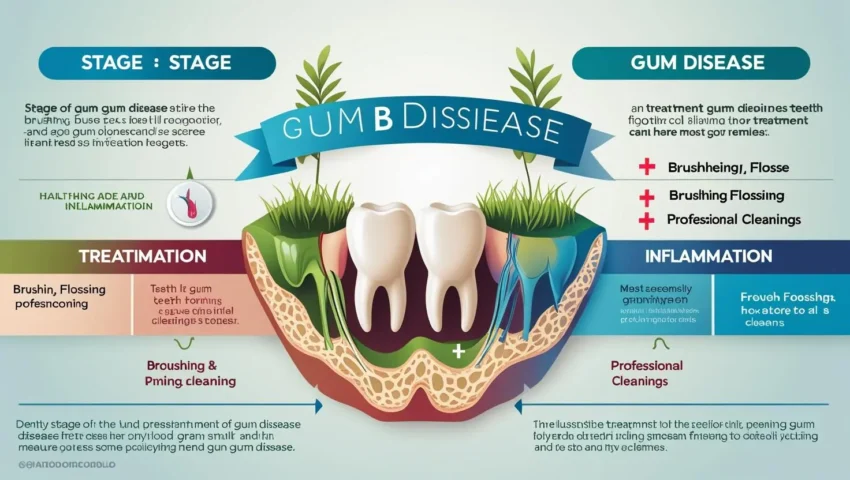
Gum disease affects millions of people worldwide, leaving many wondering: can gum disease be reversed? The answer depends on the stage of your condition, but there’s hope for most patients experiencing early-stage gum disease.
Understanding Gum Disease Stages
Gum disease progresses through distinct stages, each with different reversibility potential:
Stage 1: Gingivitis (Reversible)
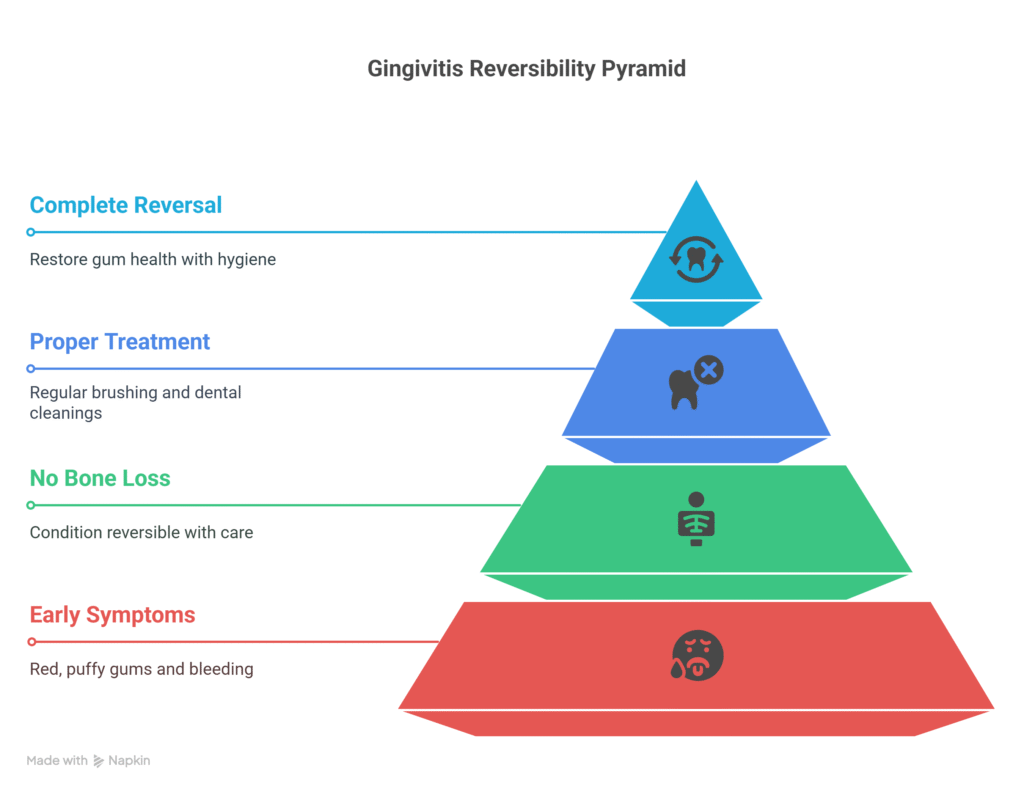
Gingivitis represents the earliest stage of gum disease and the most treatable form. Characteristics include:
- Red, puffy, swollen gums
- Bleeding during brushing or flossing
- Bad breath
- No bone loss present
- Complete reversibility with proper treatment
Stage 2: Mild Periodontitis (Partially Reversible)
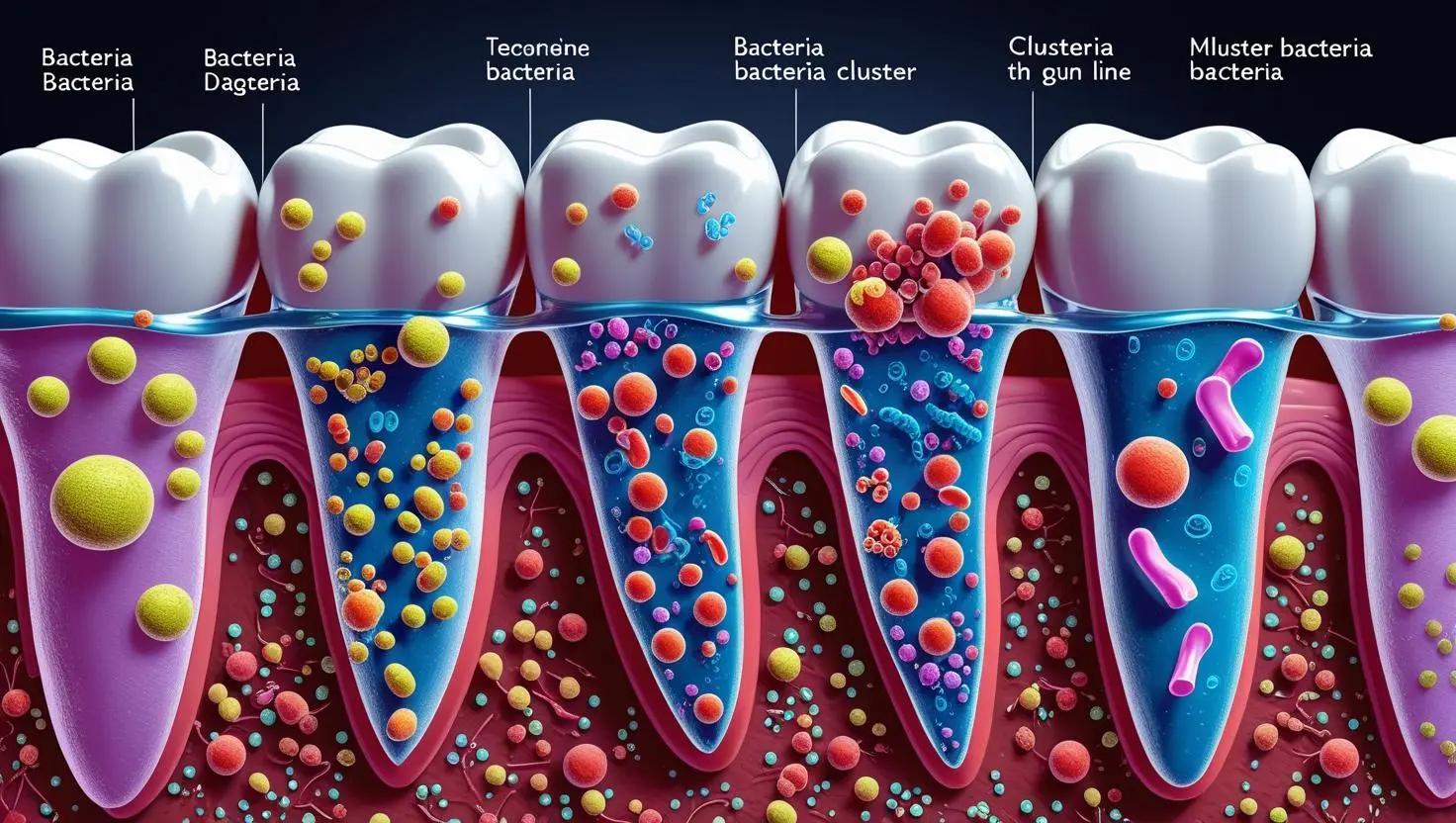
At this stage, bacteria have penetrated beneath the gum line:
- Pocket formation between teeth and gums
- Minimal bone loss
- Tissue damage begins
- Professional intervention required
Stage 3: Moderate Periodontitis (Manageable)
More severe symptoms emerge:
- Deeper gum pockets (4-6mm)
- Noticeable bone loss
- Teeth may feel loose
- Complete reversal unlikely, but progression can be halted
Stage 4: Advanced Periodontitis (Irreversible)
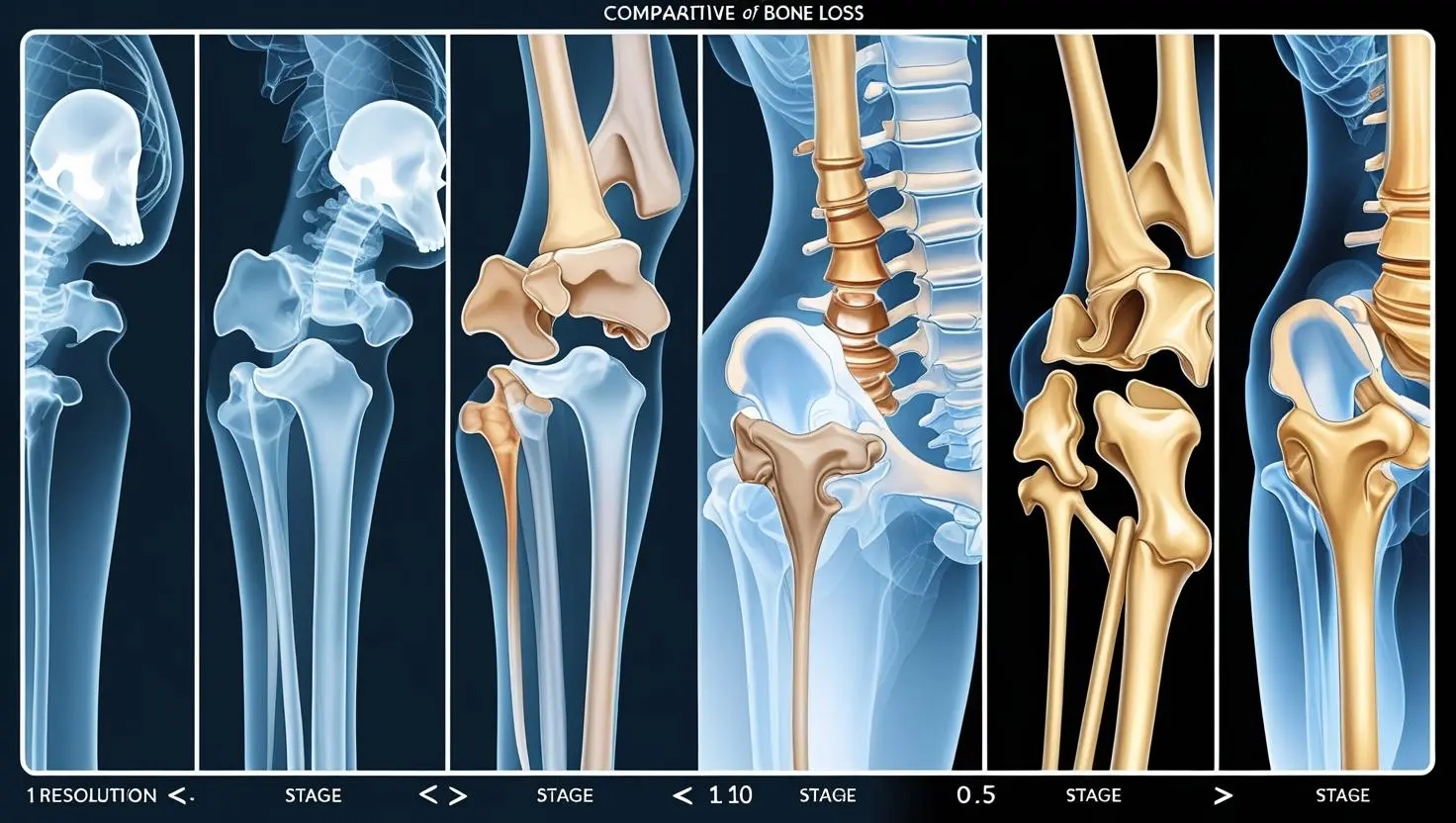
The most severe form of gum disease:
- Deep pockets (7mm or more)
- Significant bone and tissue loss
- Tooth mobility and potential tooth loss
- Requires intensive treatment to manage
Can Gum Disease Be Reversed? The Truth
| Stage | Reversibility | Treatment Success Rate | Time to See Results |
|---|---|---|---|
| Gingivitis | Fully Reversible | 95-98% | 1-2 weeks |
| Mild Periodontitis | Partially Reversible | 80-90% | 2-4 weeks |
| Moderate Periodontitis | Manageable | 70-85% | 1-3 months |
| Advanced Periodontitis | Not Reversible | 60-75% (management) | 3-6 months |

The Science Behind Gum Disease Reversal
Recent dental research confirms that early-stage gum disease can indeed be reversed. The key factors include:
- Bacterial Load Reduction: Eliminating harmful bacteria through professional cleaning
- Inflammation Control: Reducing gum inflammation allows tissue healing
- Immune System Support: Proper nutrition and oral hygiene boost natural healing
- Consistent Care: Regular maintenance prevents reinfection
Professional Treatment Options
Non-Surgical Treatments
Scaling and Root Planing (Deep Cleaning)
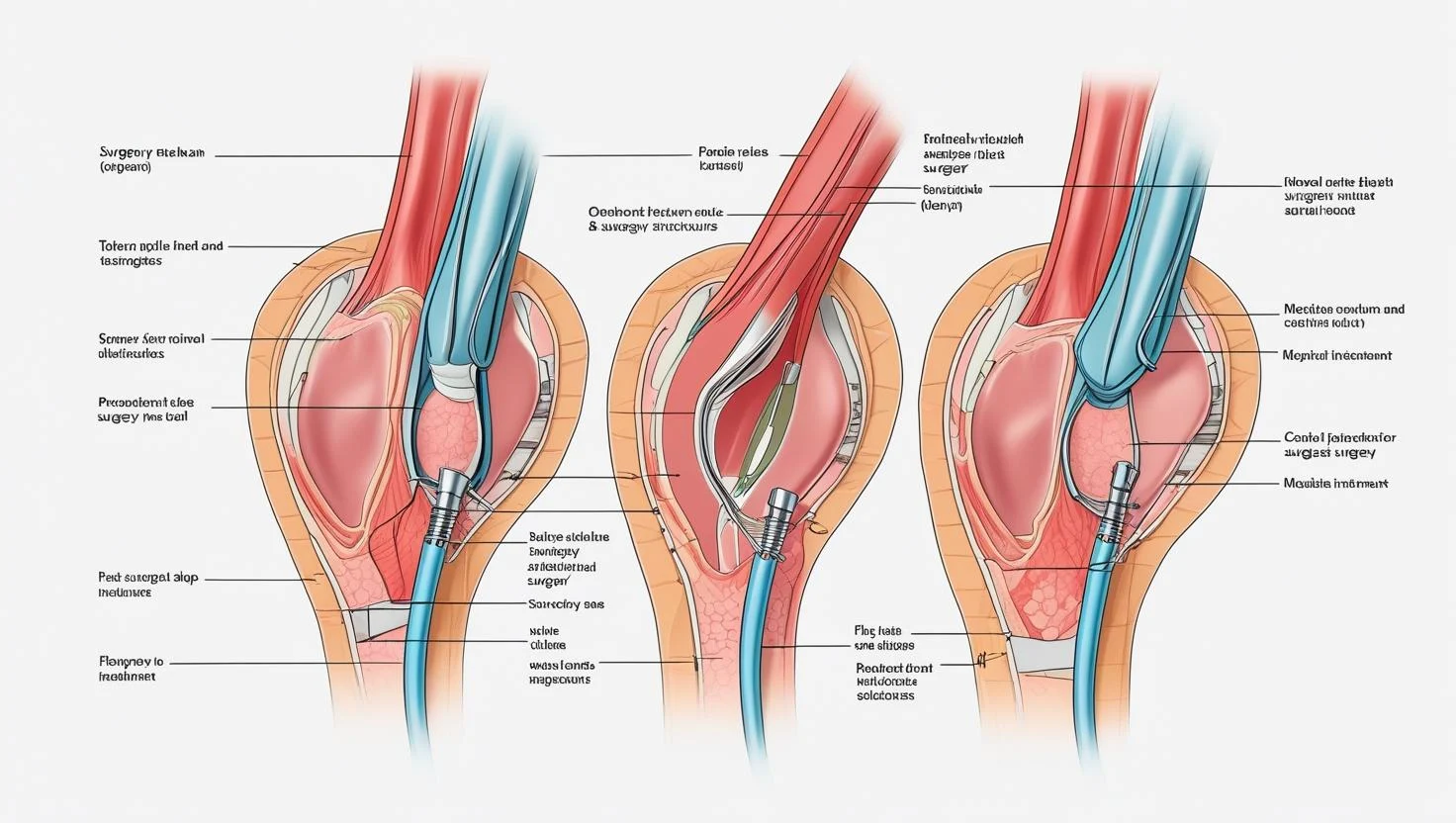
This gold-standard treatment involves:
- Removing plaque and tartar below the gum line
- Smoothing root surfaces to prevent bacterial reattachment
- Success rate: 85-90% for early-stage periodontitis
Antibiotic Therapy
- Topical antibiotics (Arestin, PerioChip)
- Oral antibiotics for severe infections
- Used in conjunction with scaling and root planing
Surgical Treatments
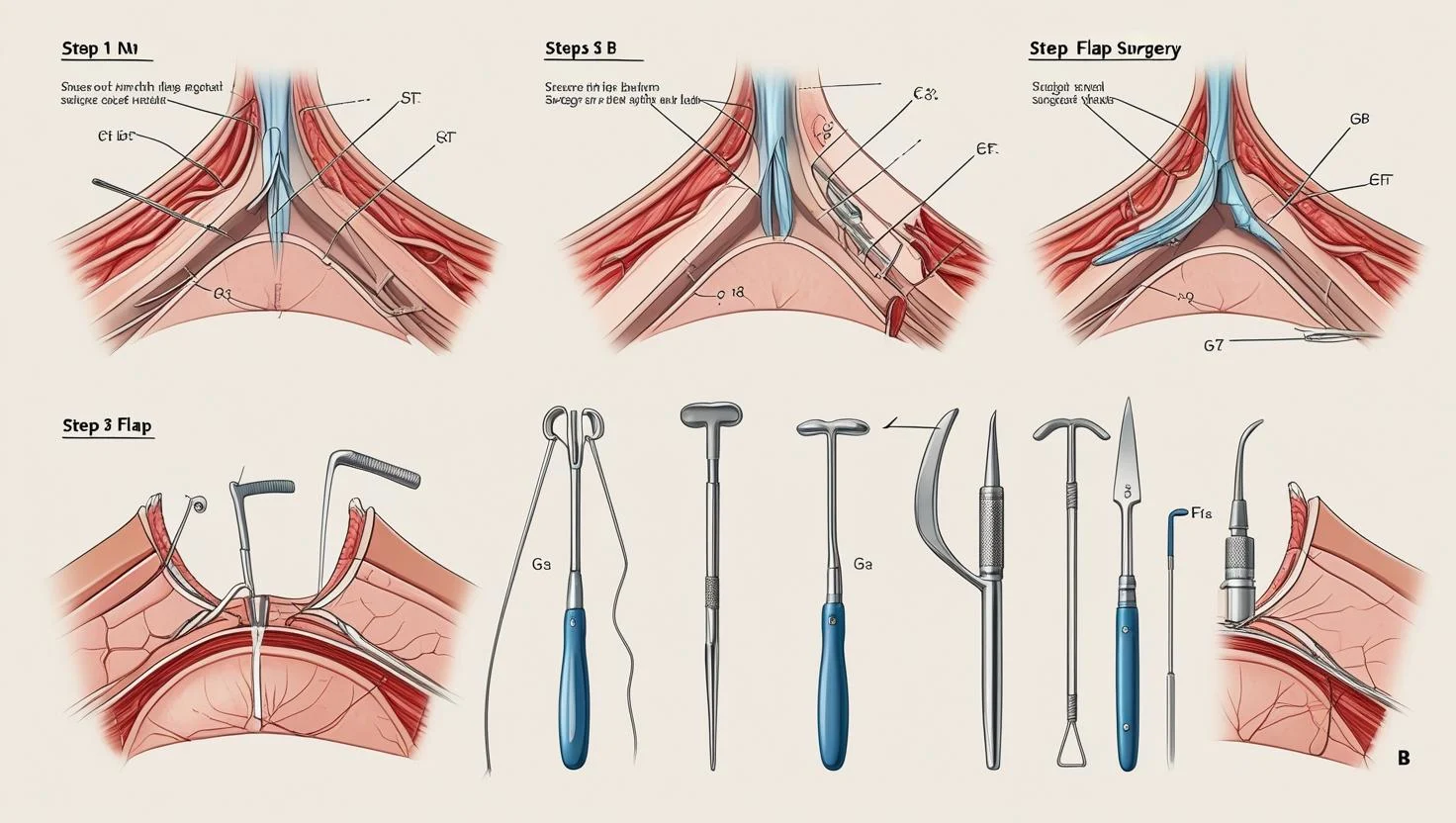
For advanced cases requiring:
- Direct access to infected areas
- Thorough cleaning of deep pockets
- Tissue repositioning for better healing
Bone and Tissue Grafts
- Regenerating lost bone structure
- Restoring gum tissue thickness
- Improving long-term stability
Laser Therapy

Modern laser treatments offer:
- Precise bacterial elimination
- Reduced healing time
- Minimal discomfort
- Better patient compliance
Natural Remedies and Home Care
Evidence-Based Home Remedies
| Remedy | Effectiveness | How to Use | Scientific Support |
|---|---|---|---|
| Salt Water Rinse | High | 1/2 tsp salt in warm water, rinse 2x daily | Strong |
| Oil Pulling | Moderate | 1 tbsp coconut oil, swish 10-15 minutes | Moderate |
| Green Tea | Moderate | Drink 2-3 cups daily or use as rinse | Strong |
| Aloe Vera Gel | Low-Moderate | Apply directly to gums 2x daily | Limited |
| Hydrogen Peroxide | Moderate | 3% solution, rinse 30 seconds | Moderate |

Top 10 Natural Approaches
- Salt Water Rinses: Natural antibacterial properties reduce inflammation
- Oil Pulling with Coconut Oil: Ancient Ayurvedic practice removes bacteria
- Green Tea Consumption: Antioxidants combat inflammation
- Vitamin C Supplementation: Supports immune function and tissue repair
- Turmeric Paste: Anti-inflammatory properties soothe gums
- Tea Tree Oil: Antimicrobial effects (use diluted)
- Cranberry Juice: Prevents bacterial adhesion (unsweetened)
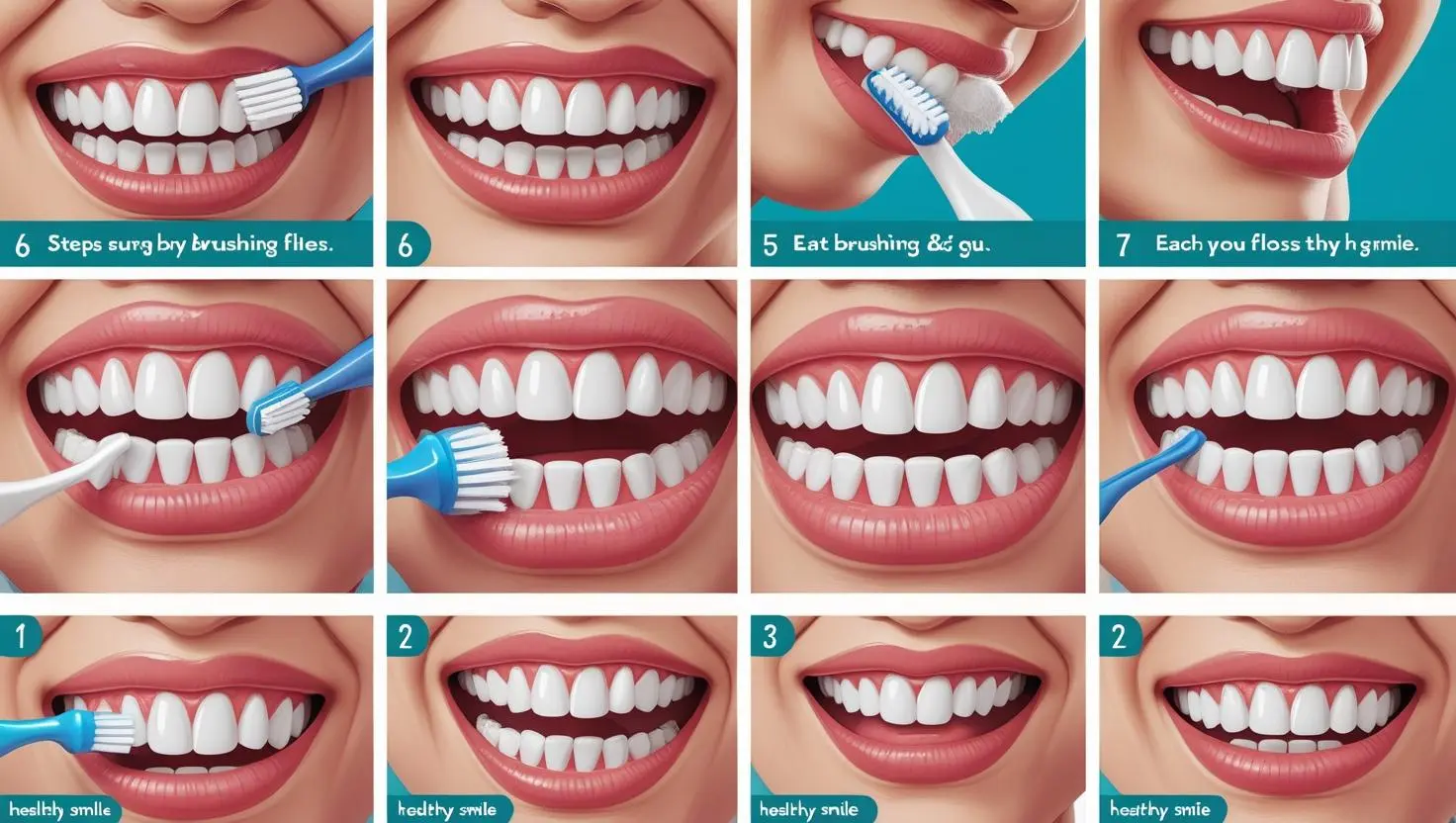
- Proper Brushing Technique: Soft-bristled brush, gentle circular motions
- Daily Flossing: Removes plaque between teeth
- Stress Management: Reduces immune suppression
Dietary Interventions
Foods That Fight Gum Disease:
- Leafy greens (high in folate)
- Fish rich in omega-3 fatty acids
- Nuts and seeds (vitamin E)
- Colorful fruits and vegetables (antioxidants)
- Probiotic-rich foods (yogurt, kefir)
Foods to Avoid:
- Sugary snacks and beverages
- Processed foods high in refined carbohydrates
- Sticky candies
- Excessive alcohol consumption
Prevention Strategies
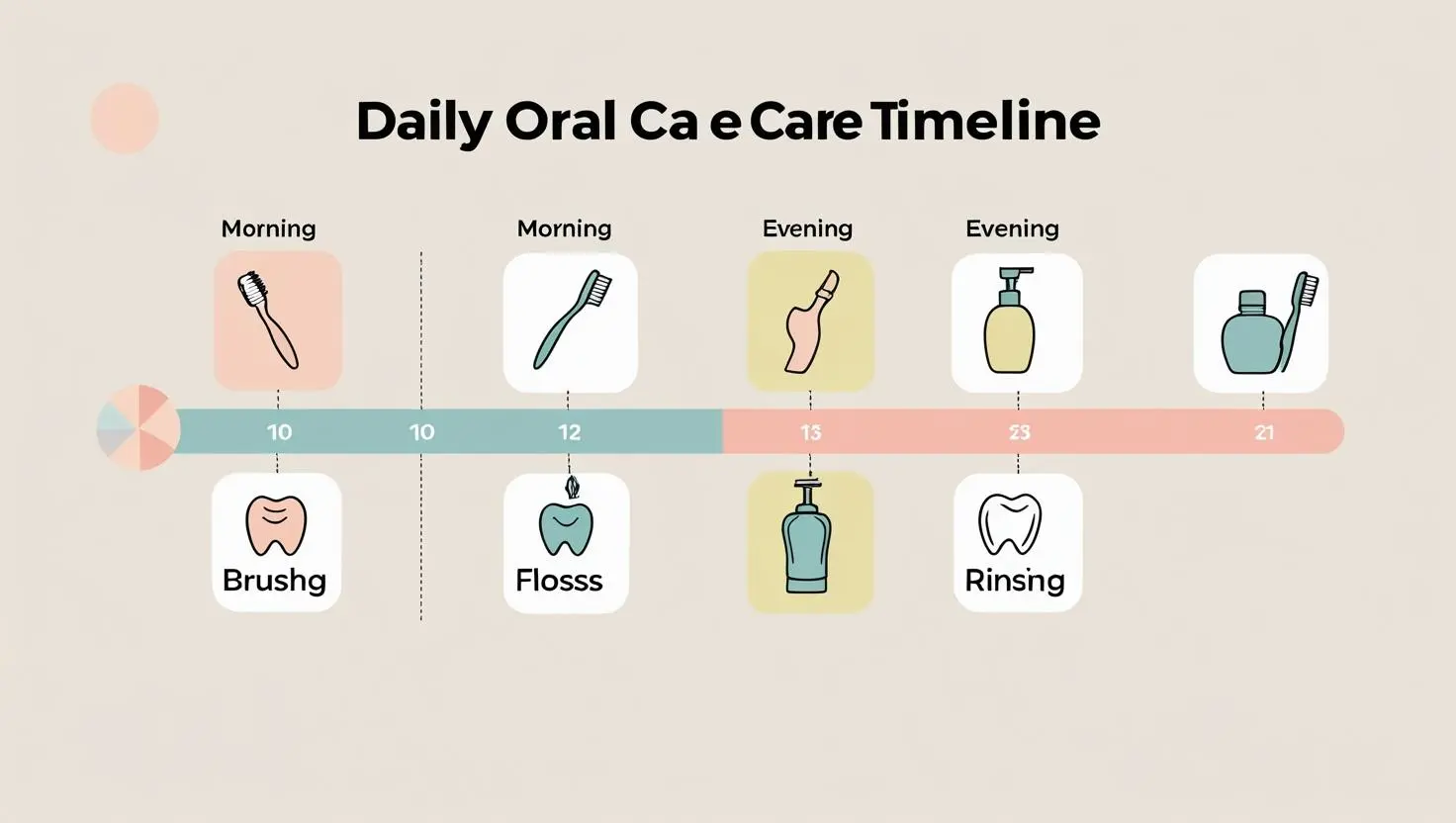
Daily Oral Hygiene Protocol
Morning Routine:
- Brush with fluoride toothpaste (2 minutes)
- Floss between all teeth
- Rinse with antimicrobial mouthwash
- Clean tongue with scraper
Evening Routine:
- Floss first to loosen debris
- Brush thoroughly (2 minutes)
- Rinse with therapeutic mouthwash
- Apply prescription gel if recommended
Lifestyle Modifications
| Factor | Impact on Gum Health | Recommendations |
|---|---|---|
| Smoking | Severely Negative | Complete cessation |
| Stress | Moderate Negative | Stress reduction techniques |
| Sleep | Moderate Positive | 7-9 hours nightly |
| Exercise | Positive | Regular moderate activity |
| Hydration | Positive | 8-10 glasses water daily |
Regular Professional Care
Recommended Schedule:
- Dental cleanings every 3-4 months for high-risk patients
- Standard cleanings every 6 months for healthy individuals
- Annual comprehensive examinations
- Immediate attention for any concerning symptoms
When to See a Dentist
Warning Signs Requiring Immediate Attention
Image Placement: Insert visual checklist of warning signs
- Persistent bleeding gums
- Gums pulling away from teeth
- Loose or shifting teeth
- Persistent bad breath
- Pus between teeth and gums
- Changes in bite alignment
Emergency Situations
Seek immediate dental care for:
- Severe gum pain
- Facial swelling
- Fever accompanying gum symptoms
- Trauma to teeth or gums
Treatment Cost Comparison
| Treatment Type | Average Cost Range | Insurance Coverage | Payment Options |
|---|---|---|---|
| Professional Cleaning | $75-$200 | Usually covered | Most plans |
| Scaling & Root Planing | $200-$400 per quadrant | Partial coverage | Payment plans available |
| Laser Therapy | $500-$1,000 | Limited coverage | Financing options |
| Surgical Procedures | $1,000-$3,000+ | Varies by plan | Multiple payment options |

Personal Experience and Reviews
Patient Success Stories
Sarah M., Age 34: “I was diagnosed with early gingivitis during my routine cleaning. Following my hygienist’s advice, I implemented a strict oral care routine with salt water rinses and saw improvement within two weeks. Six months later, my gums are completely healthy.”
Michael R., Age 42: “After years of neglecting my oral health, I developed moderate periodontitis. The scaling and root planing procedure was uncomfortable but effective. Combined with better home care, I’ve successfully halted the progression and even seen some improvement.”
Expert Recommendations
Dr. Jennifer Thompson, Periodontist: “Early intervention is crucial for gum disease reversal. Patients who follow comprehensive treatment plans see the best outcomes. The combination of professional care and excellent home hygiene is unbeatable.”
Comparing Treatment Approaches
Professional vs. Natural Treatments
| Aspect | Professional Treatment | Natural Remedies |
|---|---|---|
| Speed of Results | Fast (1-4 weeks) | Slower (4-12 weeks) |
| Effectiveness | High (80-95%) | Moderate (40-70%) |
| Cost | Higher upfront | Lower ongoing |
| Supervision | Required | Self-managed |
| Side Effects | Minimal, temporary | Very rare |
| Long-term Success | Higher | Variable |
Technology Integration
Modern dental practices utilize:
- Digital X-rays for precise diagnosis
- Intraoral cameras for patient education
- Laser therapy for targeted treatment
- Computer-guided surgical planning
- Teledentistry for follow-up care
Myths vs. Facts About Gum Disease
| Myth | Fact |
|---|---|
| Gum disease only affects older adults | Can occur at any age, even children |
| Bleeding gums are normal | Always indicates inflammation or disease |
| Natural remedies alone can cure periodontitis | Advanced stages require professional treatment |
| Tooth loss is inevitable with gum disease | Early treatment prevents tooth loss |
| Gum disease only affects oral health | Linked to heart disease, diabetes, and other conditions |
Image Placement: Insert myth-busting infographic
Future Outlook and Innovations
Emerging Treatments
Recent advances in gum disease treatment include:
- Regenerative medicine approaches
- Stem cell therapy applications
- Advanced probiotic treatments
- Personalized medicine based on genetic factors
- AI-assisted diagnosis and treatment planning
Conclusion
Gum disease reversal is absolutely possible in its early stages, with gingivitis being completely reversible through proper care and professional treatment. While advanced periodontitis cannot be fully reversed, it can be effectively managed to prevent further damage and maintain oral health.
The key to success lies in:
- Early detection and intervention
- Consistent professional care
- Excellent daily oral hygiene
- Healthy lifestyle choices
- Regular monitoring and maintenance
Remember, the best treatment for gum disease is prevention. By maintaining good oral hygiene habits and seeking regular dental care, most people can avoid the progression of gum disease entirely.
Take Action Today
If you’re experiencing any signs of gum disease, don’t wait. Contact your dental professional for an evaluation and personalized treatment plan. With the right approach, healthier gums are within reach.
Disclaimer: This information is for educational purposes only and should not replace professional dental advice. Always consult with a qualified dental professional for diagnosis and treatment recommendations specific to your situation.

Sources: Cleveland Clinic, Harvard Health, American Dental Association, Journal of Periodontology, and other peer-reviewed dental publications. Information verified as of June 2025.