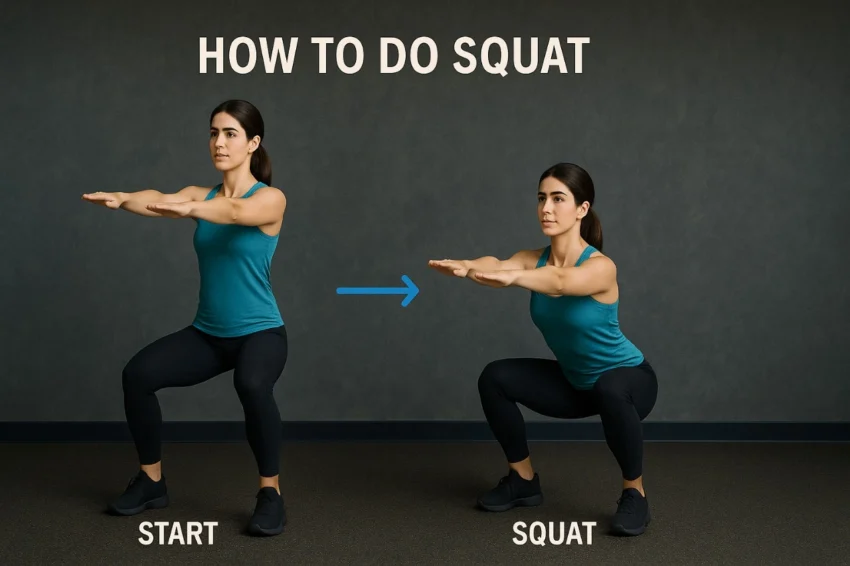
A squat is one of the most effective exercises for building strong legs, improving balance, and boosting full-body power. Whether you are a beginner, an athlete, or someone who simply wants to move better in daily life, the squat is a must-learn movement. It trains almost every major muscle in the lower body and teaches your body how to move with strength and control. This article explains what a squat is, how it works, and why it is considered the foundation of lower-body strength.
What Is a Squat? (Beginner-Friendly Definition)
A squat is a basic movement where you bend your knees and hips to lower your body, then stand back up. It looks similar to sitting down in a chair and standing again. This simple motion trains your legs, hips, and core. Squats can be done with just your bodyweight or with added resistance like dumbbells or a barbell. Because it copies a natural movement pattern, it is safe and effective for most people.
Why Are Squats the Most Important Lower-Body Exercise?
Squats are known as the “king” of lower-body exercises because they strengthen the muscles you use every day. From walking and climbing stairs to lifting objects and maintaining balance, squats enhance your ability to move with ease.
How Squats Improve Everyday Functional Movement
Squats train your body to bend, lift, and stand with proper form. They improve balance, help you avoid injuries, and strengthen your joints. The movement pattern is so natural that you use it many times a day without noticing.
Why Athletes Cannot Skip Squats
Athletes in every sport use squats to build speed, power, and explosiveness. Squats increase sprinting force, jumping height, and overall stability. They also improve hip and knee strength, which helps athletes change direction quickly and safely.
Which Muscles Do Squats Work? (Full Breakdown)
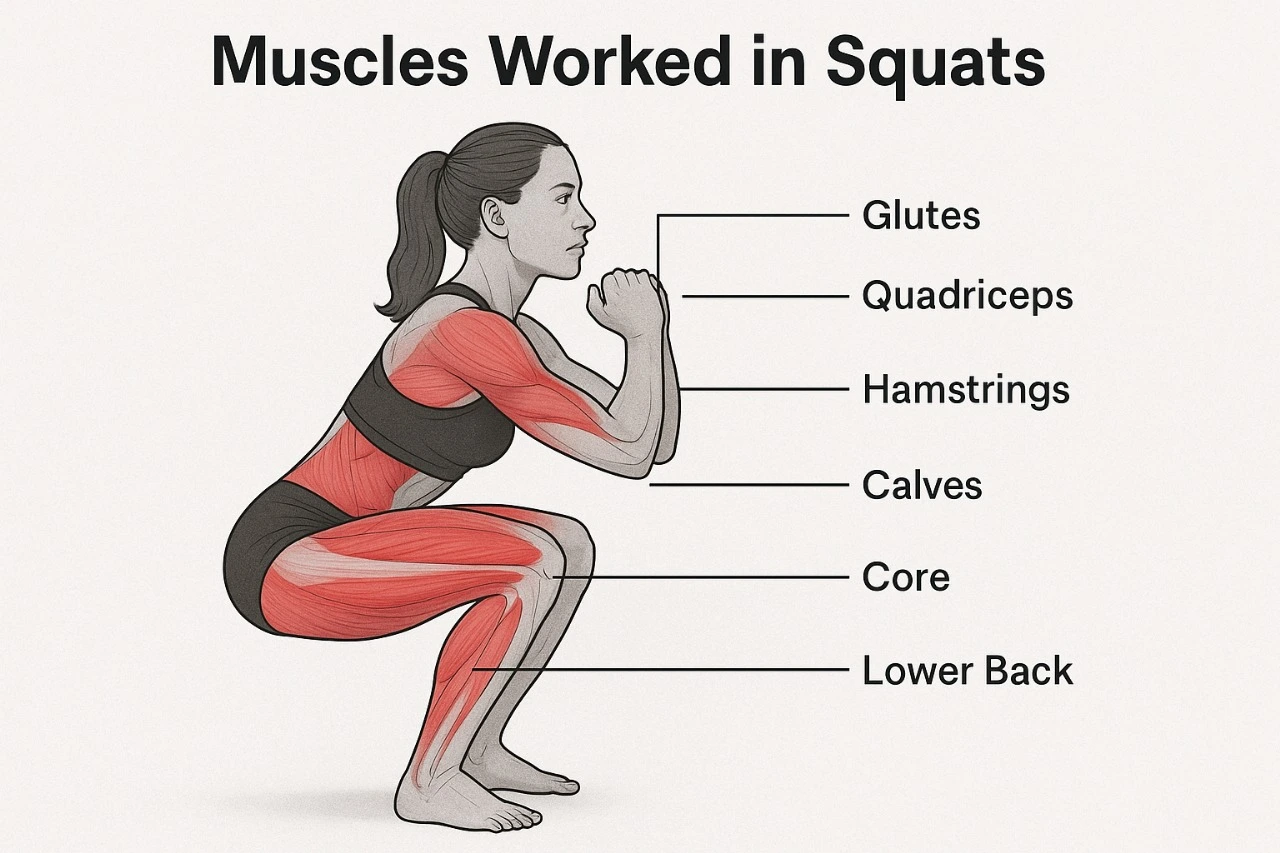
Squats are a multi-muscle, multi-joint exercise. That means they work several muscle groups at once.
Main Muscles: Glutes and Quadriceps
The glutes (your butt muscles) and quadriceps (front of your thighs) are the main drivers in a squat. They help you push your body upward and keep your hips stable.
Supporting Muscles: Hamstrings and Calves
Your hamstrings (back of the thigh) help control the lowering phase, while your calves help stabilize your ankles.
Stabilizer Muscles: Core and Lower Back
Your core and lower back muscles keep your spine straight and stable. This protects your back and helps you maintain good form.
How Do You Perform a Squat Correctly? (Step-by-Step Guide)
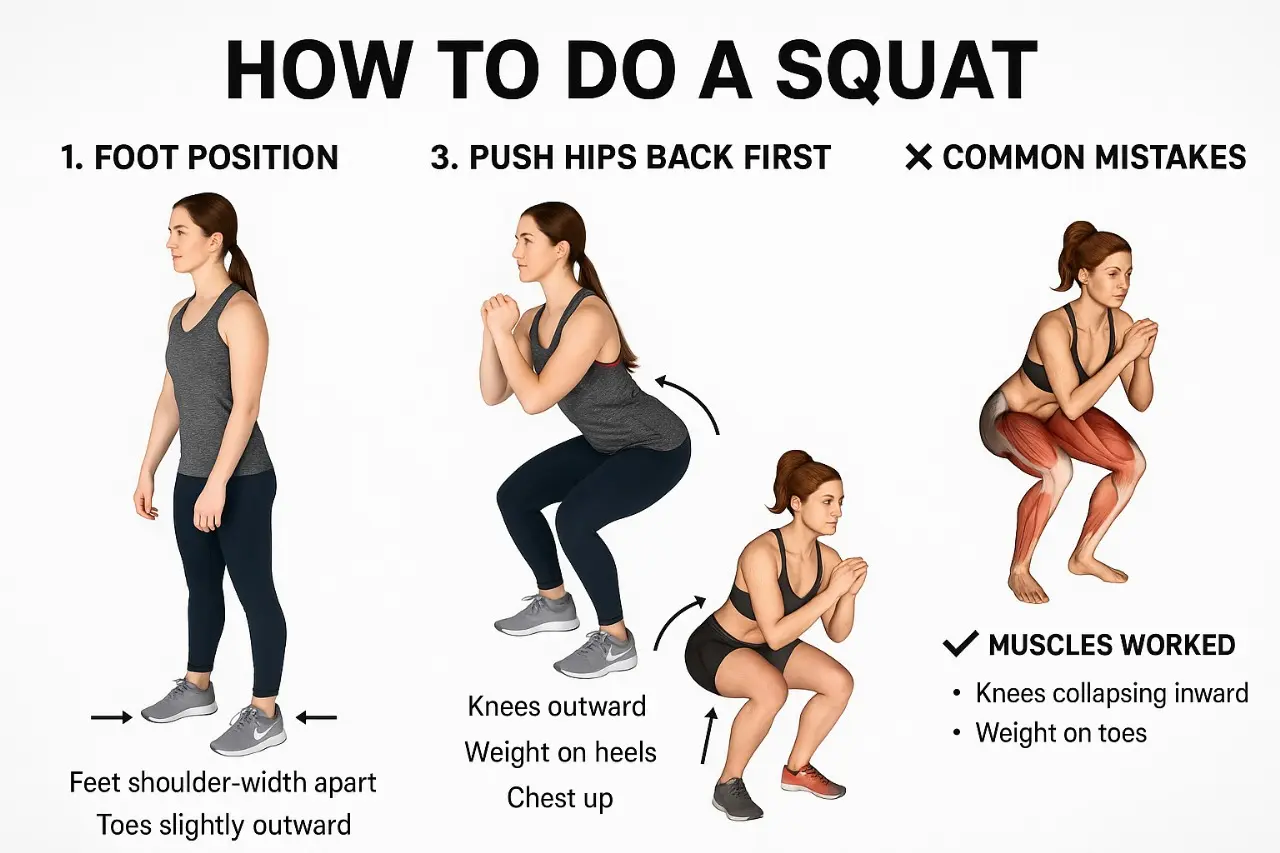
Learning proper form is the key to getting results and avoiding injuries.
How Should You Stand Before Starting a Squat?
- Stand with your feet slightly wider than shoulder width.
- Point your toes slightly outward.
- Keep your chest up and your core tight.
What Is the Correct Way to Lower Into a Squat?
- Push your hips back like you’re sitting on a chair.
- Bend your knees and lower your body slowly.
- Keep your back straight and your heels flat on the floor.
- Stop when your thighs are parallel to the ground.
How Should You Breathe During a Squat?
- Inhale deeply before you go down.
- Exhale as you push up to stand.
What Are the Benefits of Doing Squats Regularly?
Squats provide a long list of benefits, both physical and metabolic.
Strength and Power Benefits
Squats build stronger legs, better balance, and powerful hips. This helps you lift heavier weights and perform better in physical activities.
Mobility and Flexibility Benefits
Squats improve hip mobility, knee health, and ankle flexibility. This makes daily movements easier and reduces stiffness.
Fat-Burning and Metabolism Benefits
Squats burn a lot of calories because they work many large muscles. This boosts your metabolism and helps with fat loss.
What Types of Squats Should You Know?
Different squat variations train your muscles in different ways.
Bodyweight Squat
Perfect for beginners and warm-ups. No equipment needed.
Goblet Squat
You hold a dumbbell close to your chest. Great for learning proper depth.
Back Squat
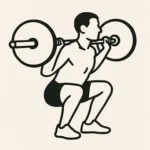
A barbell rests on your upper back. Best for strength and muscle growth.
Front Squat
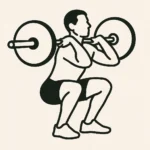
The barbell is held in front of your shoulders. Focuses more on the quads.
Sumo Squat
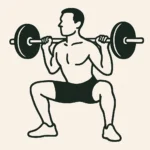
A wider stance with toes pointed out. Hits the inner thighs and glutes.
Bulgarian Split Squat
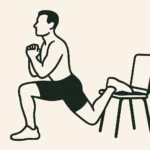
A single-leg squat variation. Excellent for balance, mobility, and leg strength.
How Do Squats Compare to Other Lower-Body Exercises?
Squats are more effective than most lower-body exercises because they train multiple joints and muscle groups at once. While exercises like lunges and leg presses are useful, squats provide more overall strength, stability, and athletic benefits.
What Is the Best Squat Depth, Load, and Tempo?
Finding the right depth, weight, and speed helps you get better results.
How Deep Should You Squat?
- Go as low as your mobility allows
- Ideally, reach “parallel” — thighs level with the ground
- Deeper squats work glutes more, but only if done safely
How Much Weight Should You Use?
- Beginners start with bodyweight or light weights
- Increase weight gradually when you can perform 12–15 reps easily
- Use a challenging but safe load
What Tempo Works Best for Strength and Muscle?
- Slow lowering (2–3 seconds)
- Quick but controlled upward push
- This builds muscle and explosive power
What Mobility Do You Need for a Proper Squat?
You need good ankle flexibility, hip mobility, and proper spine alignment. Stretching and warm-up drills can help improve your squat depth and stability.
How Can You Add Squats to Your Workout Routine?
Best Frequency for Beginners
Do squats 2–3 times per week with light to moderate weights.
Best Frequency for Strength Training
Strength athletes may squat 3–4 times a week with heavier loads.
What Common Squat Mistakes Should You Avoid?
Learning what NOT to do is as important as good form.
Knees Bending Inward (Knee Valgus)
Keep your knees aligned with your toes to avoid injury.
Back Rounding During Squats
Maintain a straight spine to protect your lower back.
Heels Lifting Off the Ground
Always keep your heels flat. If they rise, lower the weight or adjust your stance.
How Many Squats Should You Do? (Based on Your Goal)
Squat Reps for Strength
3–6 reps with heavy weight
Squat Reps for Muscle Growth
8–12 reps with moderate to heavy weight
Squat Reps for Fat Loss
12–20 reps with lighter weight or bodyweight
Who Should Modify Squats or Be Careful?
People With Knee Pain
Use a chair, go shallow, or try wall squats.
People With Lower-Back Issues
Strengthen your core and avoid heavy weights until stable.
What Does Science Say About Squats? (Evidence-Based Insights)
Studies show squats build more lower-body strength than almost any other exercise. Research also confirms that squats improve athletic performance, boost hormones related to muscle growth, and help maintain healthy bones and joints.
Frequently Asked Questions About Squats
Are squats safe for your knees?
Yes, squats are safe when done with proper form. They actually strengthen knee joints.
How low should you go when squatting?
Go to parallel or slightly below, as long as your form is good.
Do squats grow muscle fast?
Yes, squats build muscle quickly because they target large muscle groups.
How often should you do squats per week?
Most people benefit from 2–3 sessions per week.
Final Summary: Why Squats Should Be Part of Every Workout
Squats are one of the most important exercises you can add to your fitness routine. They build strength, increase mobility, improve balance, boost metabolism, and support everyday movements. Whether your goal is muscle growth, fat loss, or athletic performance, squats give you results faster than most other exercises. Doing them regularly helps you stay strong, move better, and live a healthier life.
Related link: