
The dumbbell Romanian deadlift (often abbreviated as DB RDL) is a resistance training exercise that focuses primarily on the posterior chain, including the hamstrings, glutes, and lower back. Unlike the traditional deadlift, the Romanian deadlift emphasizes the eccentric (lowering) phase, promoting muscle control, flexibility, and strength.
Named after Romanian Olympic weightlifters who used this movement to build strength, the DB RDL is a go-to for athletes, fitness enthusiasts, and rehab professionals alike.
Pros and Cons of Dumbbell Romanian Deadlift
| Pros | Cons |
| Targets hamstrings, glutes, and lower back effectively | Requires good form to avoid injury |
| Improves hip mobility and posture | Not ideal for beginners without proper instruction |
| Increases balance and core strength | Limited progressive overload compared to barbell |
| Easy to perform at home or in limited spaces | Dumbbells can become too light as you progress |
| Reduces lower back strain compared to barbell version | Grip strength may limit performance |
Why Choose Dumbbells Over Barbells?
While barbell Romanian deadlifts offer greater potential for load, the dumbbell variation provides benefits like:
- Better unilateral balance: Each hand works independently, correcting imbalances.
- Less strain on the spine: Easier to maintain posture with lower weight loads.
- Greater mobility engagement: Encourages proper hip hinge mechanics.
- Accessibility: Perfect for home workouts or small gyms without barbells.
How to Perform a Dumbbell Romanian Deadlift (5 Steps)
1. Setup
- Stand with your feet hip-width apart.
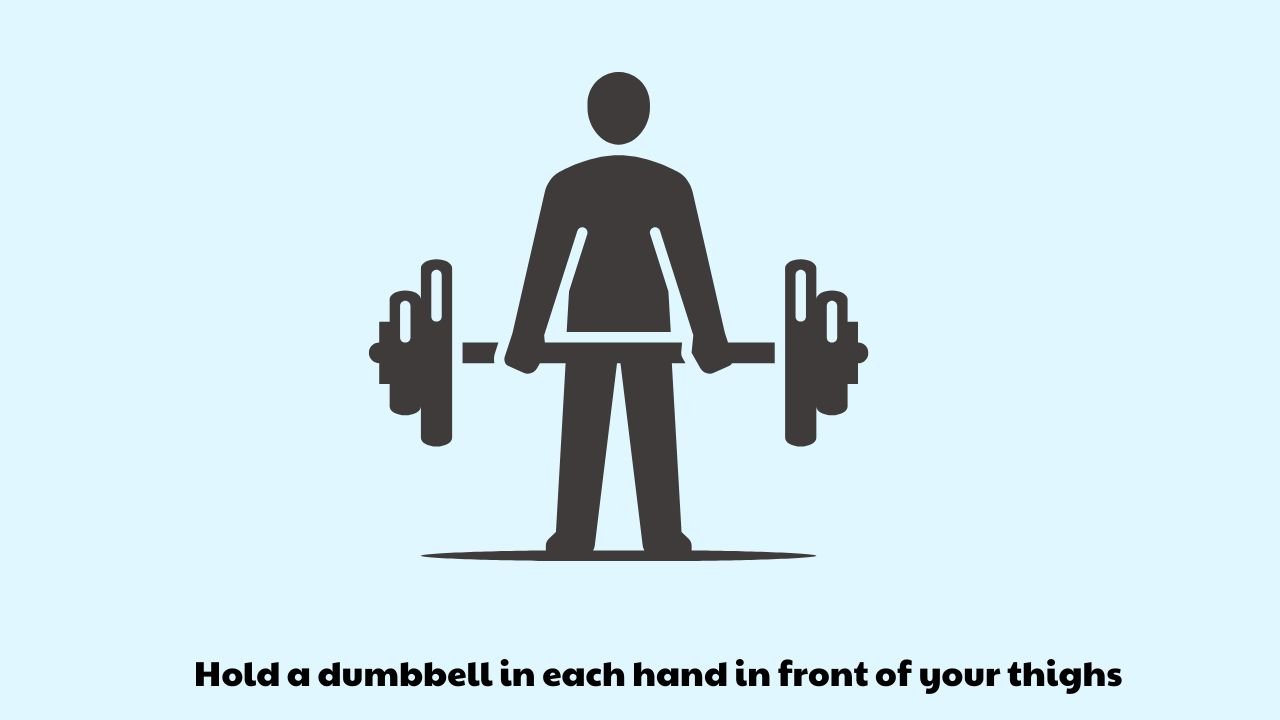
- Hold a dumbbell in each hand in front of your thighs.
- Keep a soft bend in your knees.
2. Hip Hinge
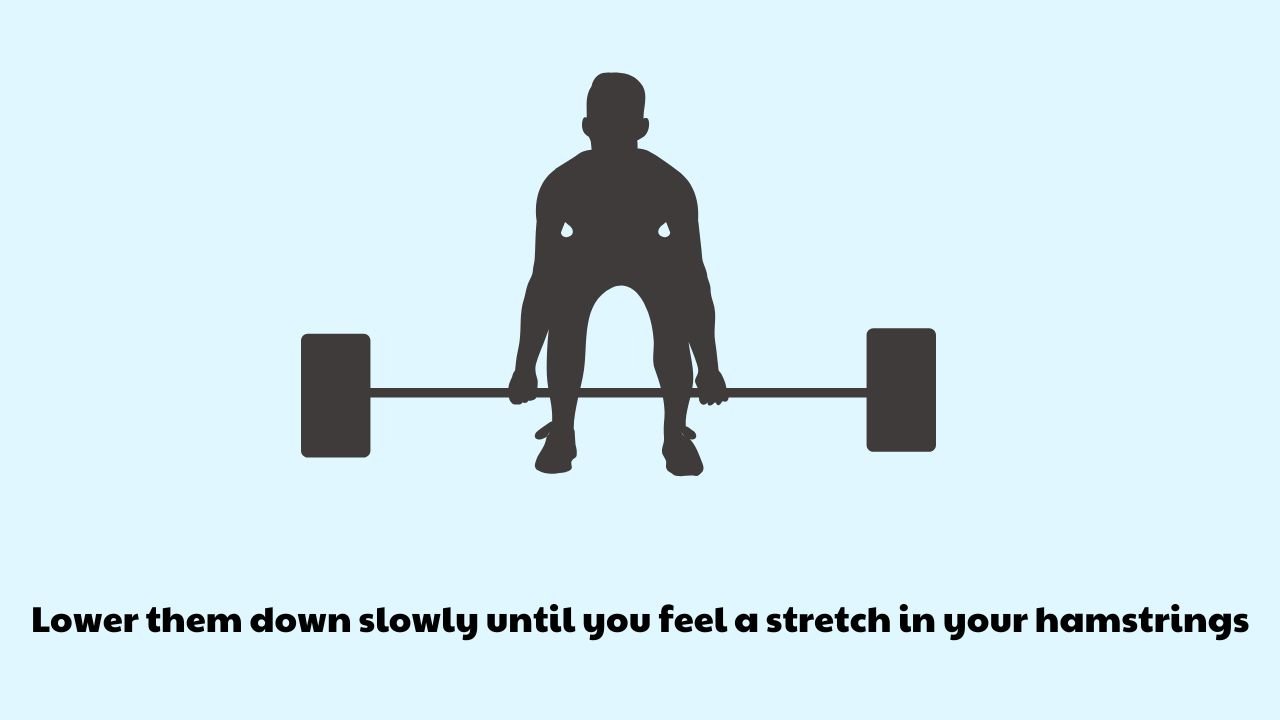
- Begin by pushing your hips back, not by bending your knees.
- Keep the dumbbells close to your legs.
- Lower them down slowly until you feel a stretch in your hamstrings.
3. Back and Core
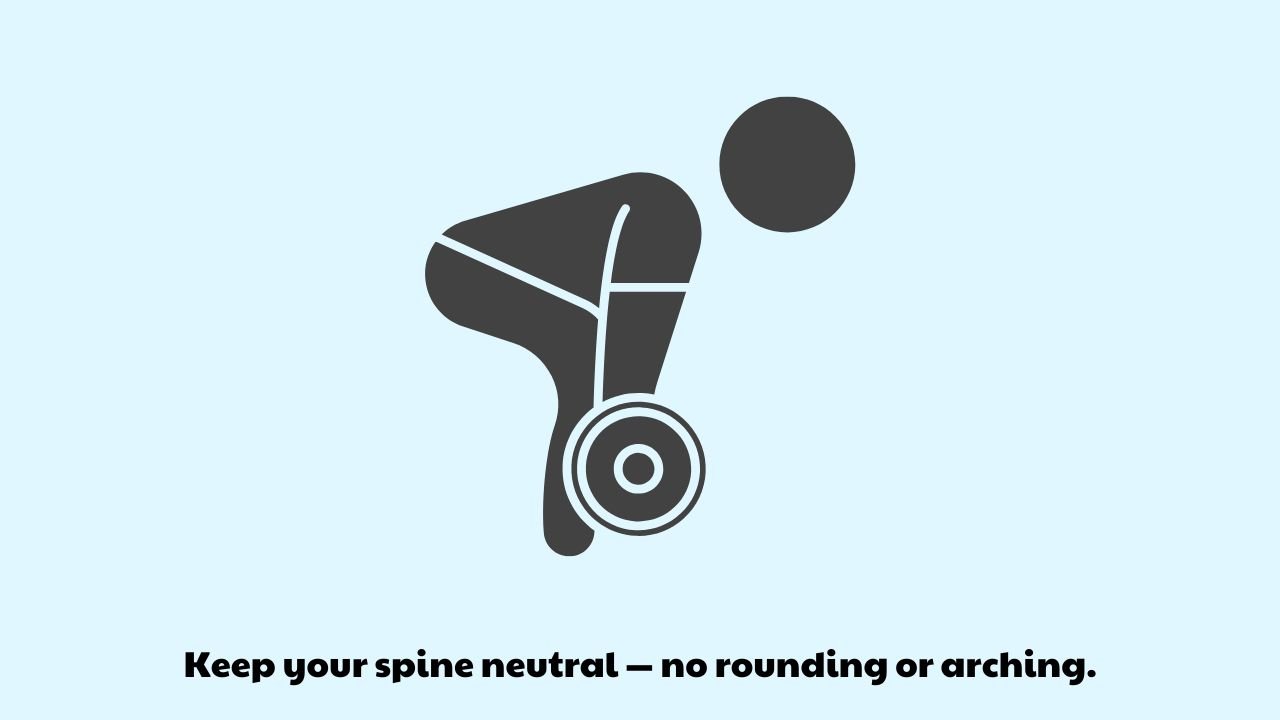
- Keep your spine neutral — no rounding or arching.
- Engage your core and pull your shoulders back and down.
4. Lift
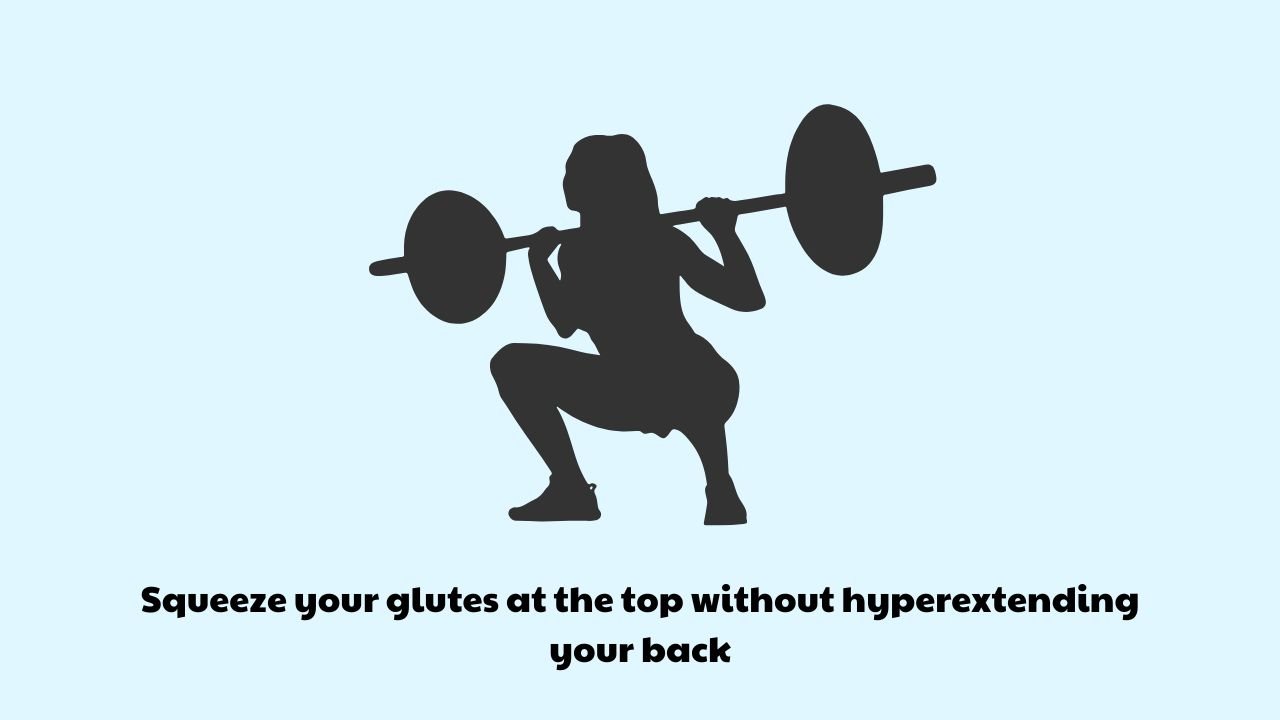
- Press through your heels and return to standing by pushing your hips forward.
- Squeeze your glutes at the top without hyperextending your back
5. Repeat
- Perform 3–4 sets of 8–12 reps depending on your goal (strength, endurance, hypertrophy).
Muscles Worked During Dumbbell Romanian Deadlifts
This movement is a compound exercise, activating multiple muscle groups:
- Hamstrings – Primary target, especially during the eccentric phase
- Glutes – Contract to extend the hips at the top of the lift
- Lower back (erector spinae) – Stabilizes the spine throughout the motion
- Core – Provides stability and protects the spine
- Forearms and grip – Support the weight of the dumbbells
Benefits of Dumbbell Romanian Deadlifts
Builds Posterior Chain Strength
Develops the back of your body — essential for posture, athletic performance, and injury prevention.
Improves Hip Hinge Mechanics
Trains the body to move efficiently and safely, translating to better performance in squats, deadlifts, and daily activities.
Enhances Flexibility
Regular practice improves hamstring length and hip mobility, which is often neglected in traditional training.
Supports Injury Rehabilitation
With lighter loads and strict control, the DB RDL is perfect for those recovering from lower back or hamstring injuries.
Boosts Athletic Performance
Increased posterior chain strength improves sprinting, jumping, and lifting power.
Common Mistakes to Avoid
❌ Rounding the Back
Always maintain a neutral spine. Use a mirror or coach for feedback.
❌ Bending the Knees Too Much
It’s a hip hinge, not a squat. Focus on driving your hips back.
❌ Letting the Dumbbells Drift
Keep the dumbbells close to your legs to avoid unnecessary strain on your lower back.
❌ Going Too Heavy
Prioritize form over weight. Start light and gradually progress.
Dumbbell Romanian Deadlift Variations
1. Single-Leg Dumbbell RDL
Great for balance and unilateral strength. Helps identify and correct muscle imbalances.
2. Tempo DB RDL
Slowing down the eccentric phase increases time under tension for muscle growth.
3. Elevated-Toe DB RDL
Standing on a plate targets the hamstrings deeper by increasing the stretch.
4. Band-Resisted DB RDL
Adds resistance at the top, improving lockout strength and glute activation.
How to Integrate Dumbbell RDLs into Your Routine
Depending on your goals, you can use this movement:
- As a warm-up: Light weight, high reps to activate the posterior chain.
- In strength workouts: 3–4 sets of 6–8 reps with moderate-heavy weight.
- In hypertrophy routines: 3–4 sets of 10–12 reps with time under tension.
- In rehab or mobility sessions: Slow, controlled reps with light weight.
Pair it ith squats, lunges, or upper body pulling movements for a well-rounded fitness session.
Safety Tips for the Dumbbell Romanian Deadlift
- Warm up properly: Cold muscles are prone to strains.
- Use mirrors: Monitor form during the movement.
- Strengthen your grip: Your grip may give out before your hamstrings do.
- Listen to your body: Stop if you feel sharp pain or discomfort in the lower back.
FAQs About the Dumbbell Romanian Deadlift
What’s the difference between a Romanian deadlift and a regular deadlift?
A regular deadlift starts from the floor and uses more quad drive. The Romanian deadlift begins from a standing position and focuses on the hamstrings and glutes with a hip hinge.
Can beginners do dumbbell Romanian deadlifts?
Yes, as long as they use light weights and focus on mastering the form first.
How heavy should the dumbbells be?
Start light — enough to feel tension in your hamstrings by rep 10. Gradually increase as your form improves.
Are dumbbell Romanian deadlifts good for glutes?
Absolutely. The hip hinge movement strongly activates the glutes, especially at the top of the lift.
How often should I do DB RDLs?
1–2 times per week is ideal for most people looking to build strength and muscle without overtraining.
Can I do dumbbell RDLs at home?
Yes, all you need is a pair of dumbbells and a small space.
Final Thoughts
The dumbbell Romanian deadlift is more than just a hamstring exercise — it’s a foundational movement that promotes strength, stability, and flexibility across your entire posterior chain. Whether you’re lifting at home or in the gym, this versatile movement deserves a spot in your training program. By mastering proper form and gradually progressing, you’ll unlock powerful results while minimizing the risk of injury.