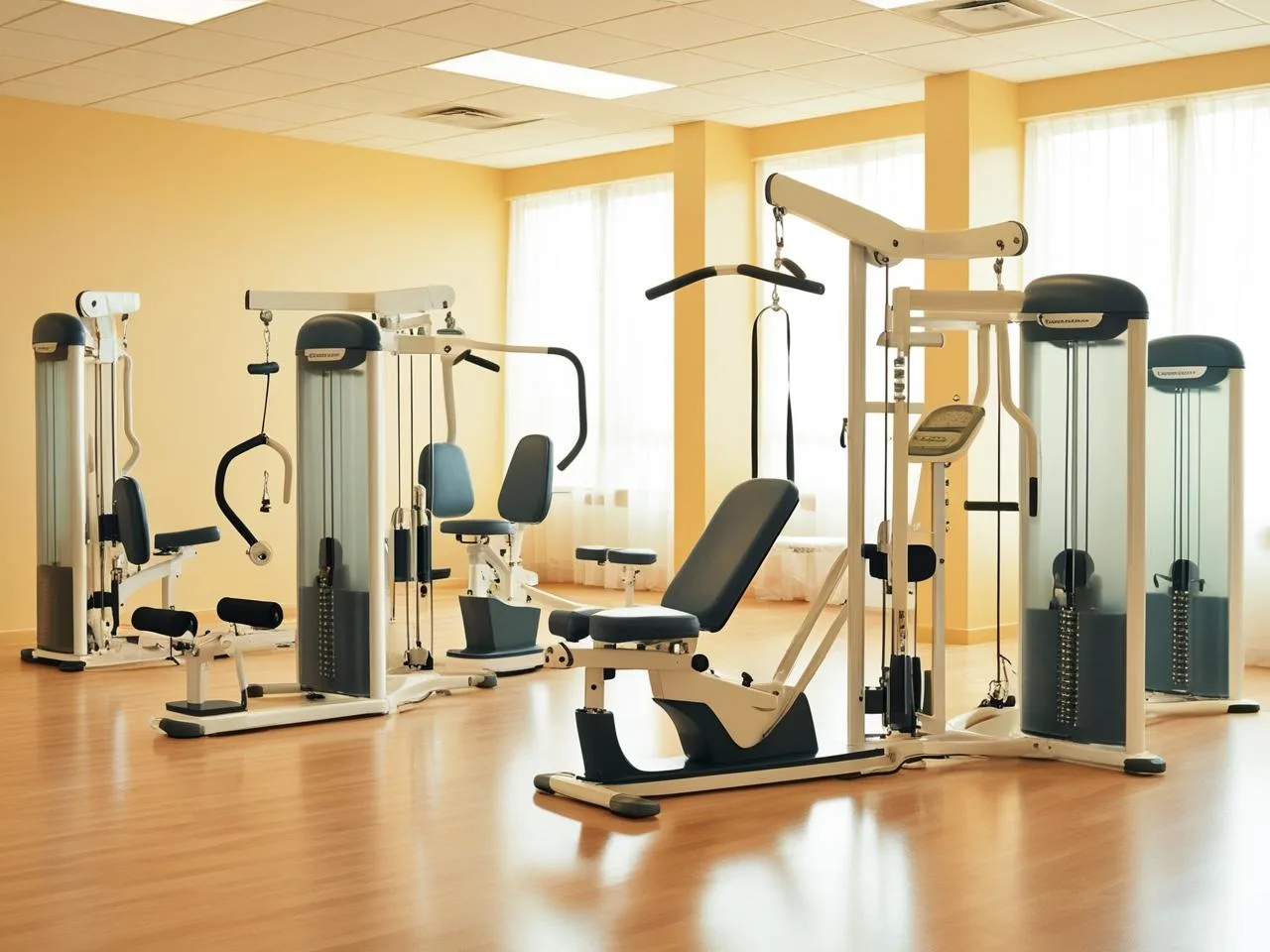
Rehabilitation Exercise Equipment
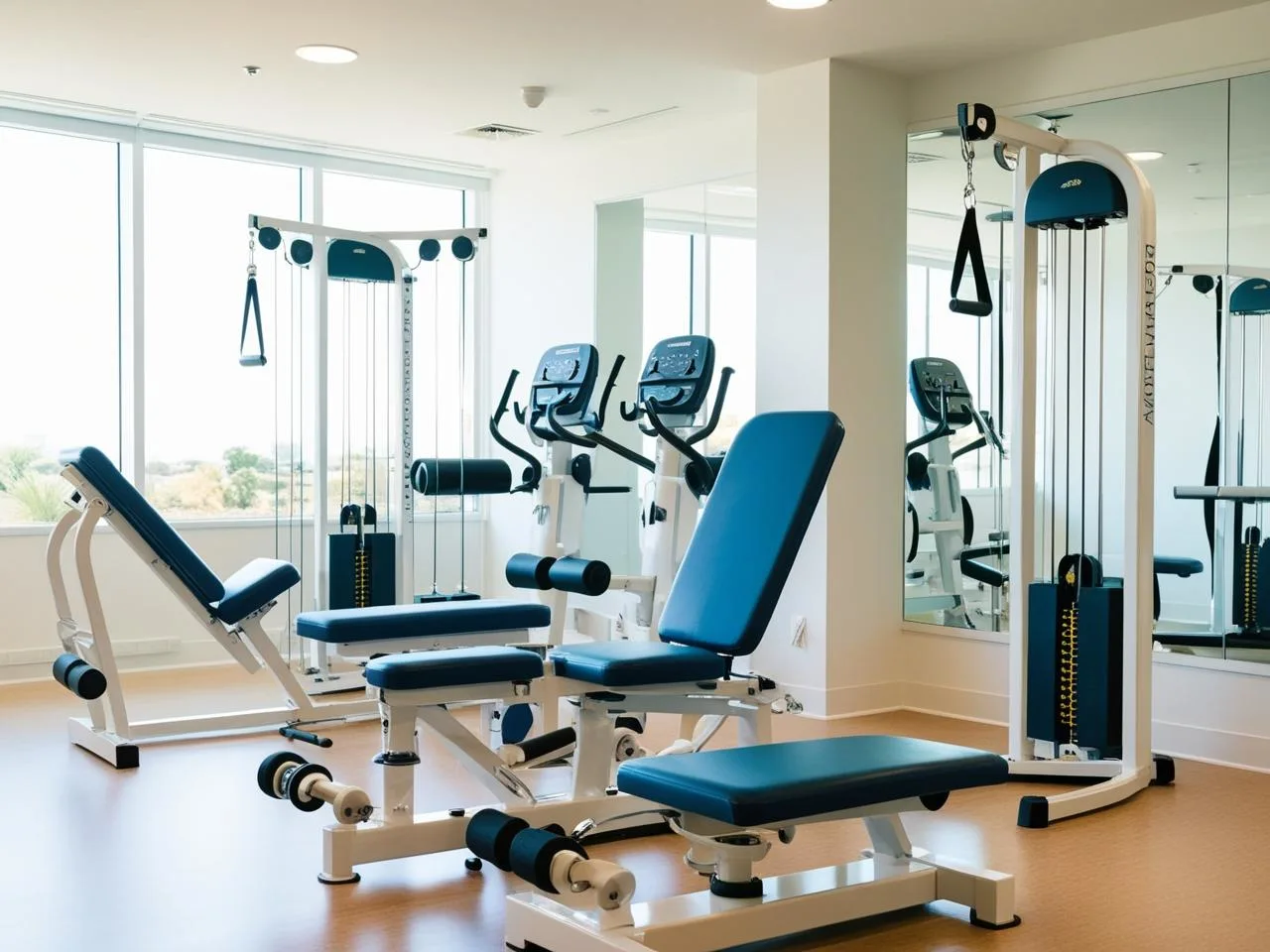
An All-Inclusive Handbook for Recovery
Recovering from an injury, surgery, or illness can be quite difficult. However, the right tools can make the process a lot easier. One of the most essential pieces of equipment needed during the recovery process is the rehabilitation exercise equipment. Need to heal from a sports injury? Struggling with a chronic ailment? Or maybe you just underwent surgery? With the right equipment, you can easily restore your strength, mobility, and even confidence.
What Is Rehabilitation Exercise Equipment?
Rehabilitation exercise equipment is a broad term that encompasses tools and machines that aid patients in physical therapy and recovery. These tools strive to improve mobility, augment strength, and foster balance, coordination, and even flexibility during the healing process.
Benefits of Using Rehabilitation Exercise Equipment
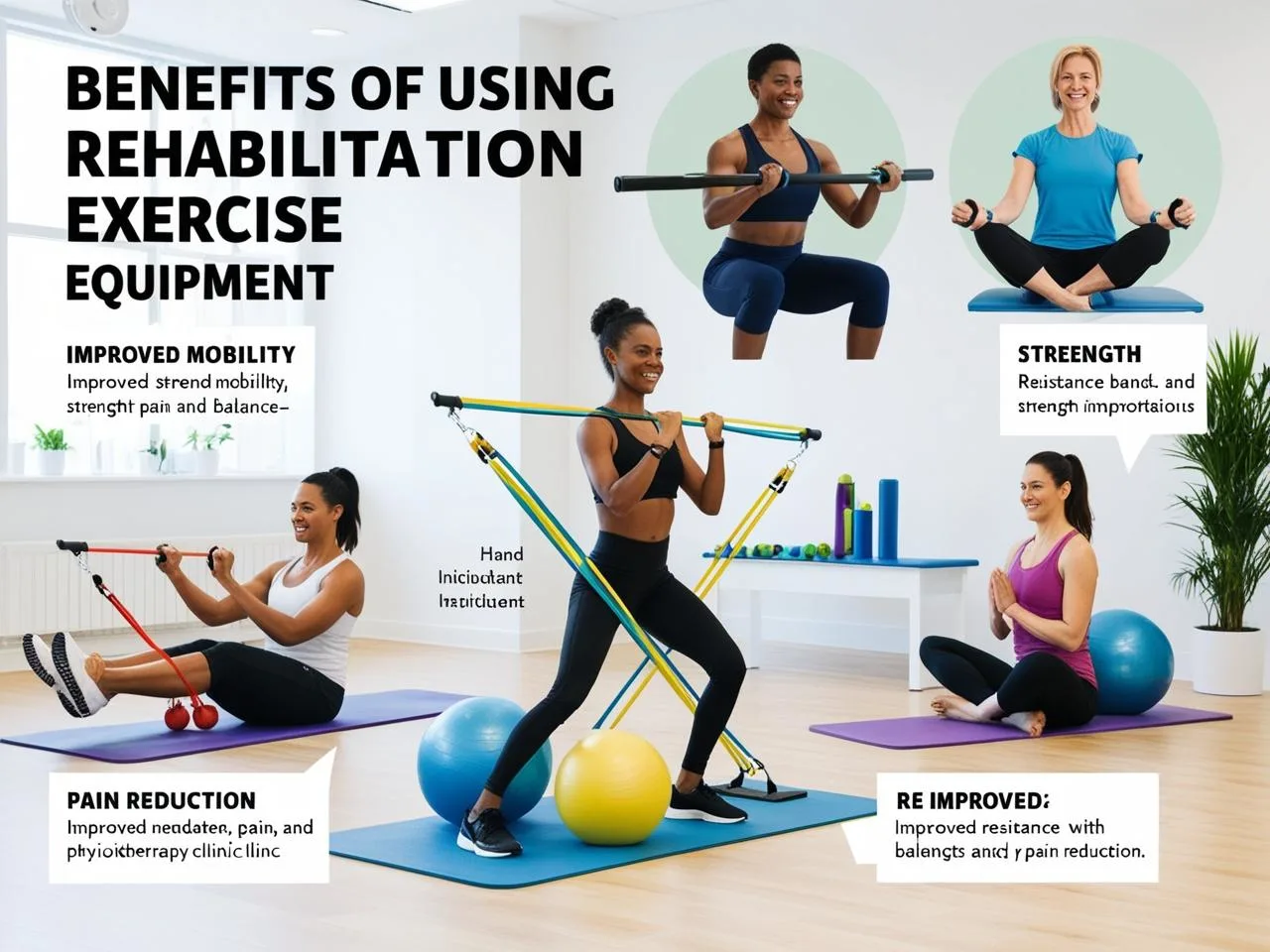
- Enhanced Recovery Using the right equipment can accelerate the healing process by concentrating on the injured muscles and joints with the necessary safety precautions.
- Increased Mobility Restores daily life flexibility and range of motion through frequent application.
- Building Strength With rehab equipment, muscle strength, especially in the weakened areas that result in lack of movement, is gained post injury or surgery.
- Alleviation of Pain Rehabilitation equipment aids in pain relief thanks to low impact exercises that minimize the pressure placed on the joints.
- Enhanced Self Esteem
The evolution seen in one’s physique and mental state through equipment-based exercises is greatly rewarding and offers motivation in the journey ahead.
Deluxe Resistance Bands and Tubes
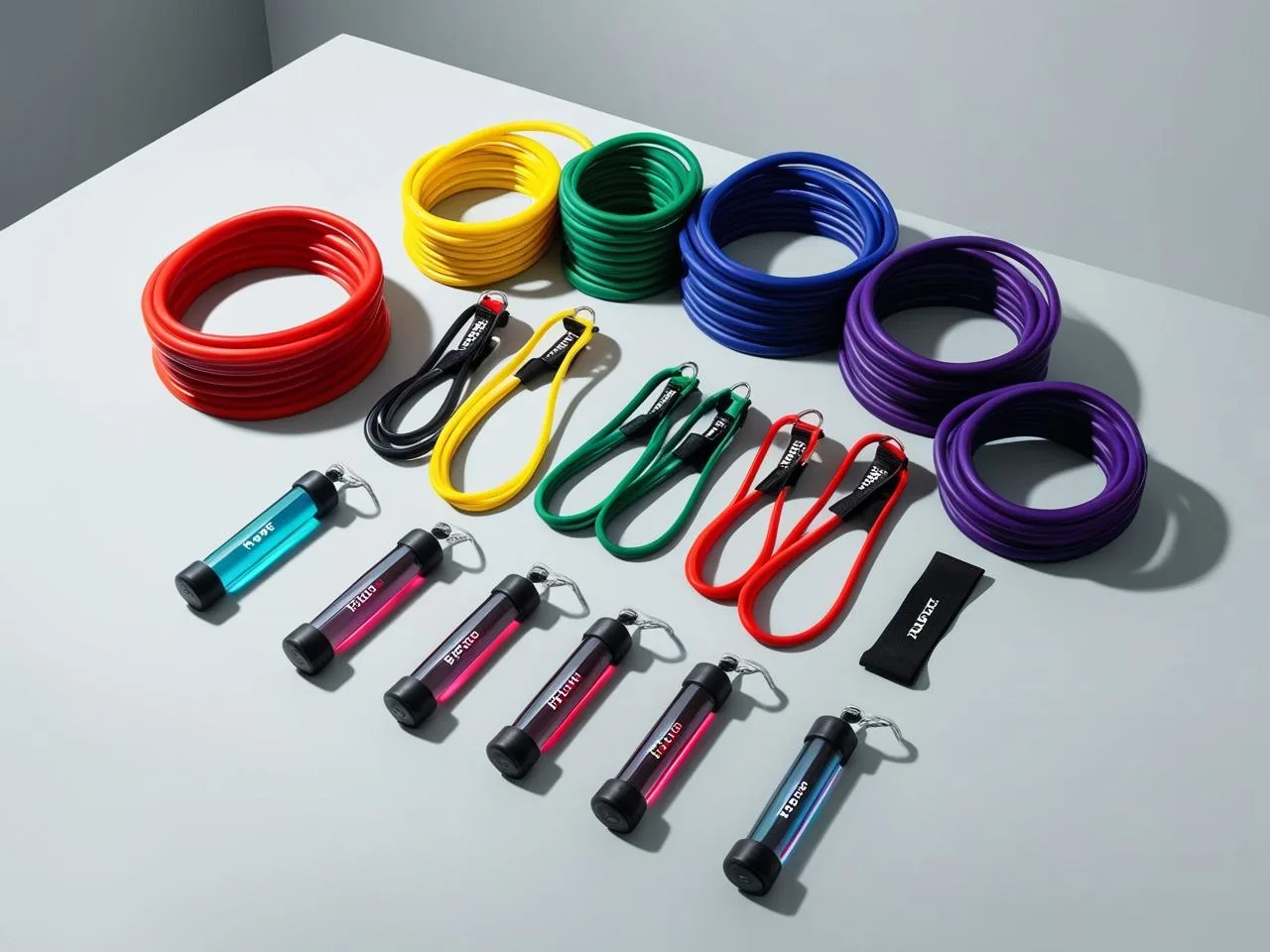
- Stretching and strengthening exercises can be performed with the help of these.
- They are perfect for post-surgery movements and novices.
- They come with a variety of levels of resistance.
Balance Boards and Stability Trainers
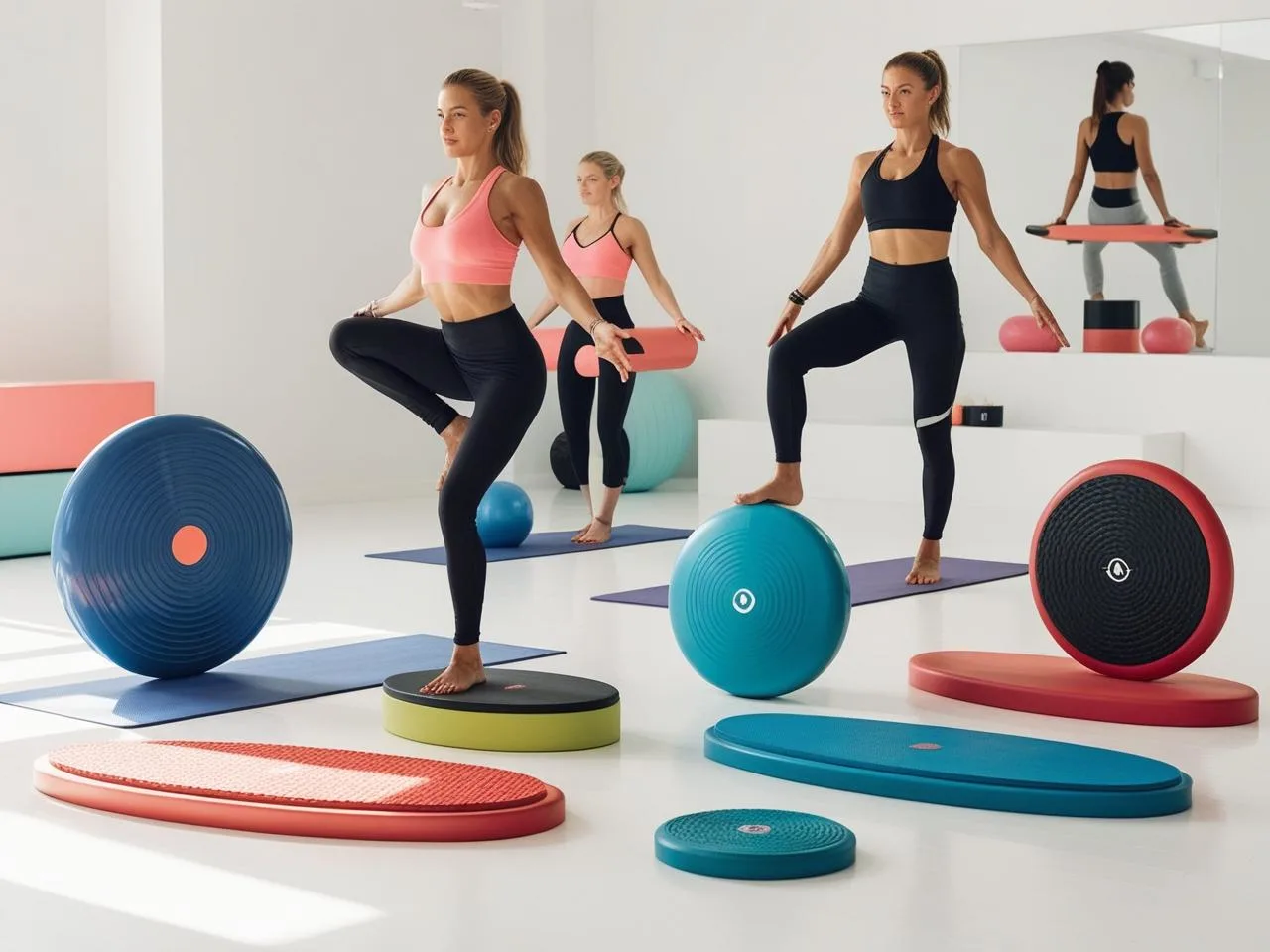
- Utilized for core and coordination improvement.
- They aid in ankle, knee, and hip rehabilitation.
Exercise Balls
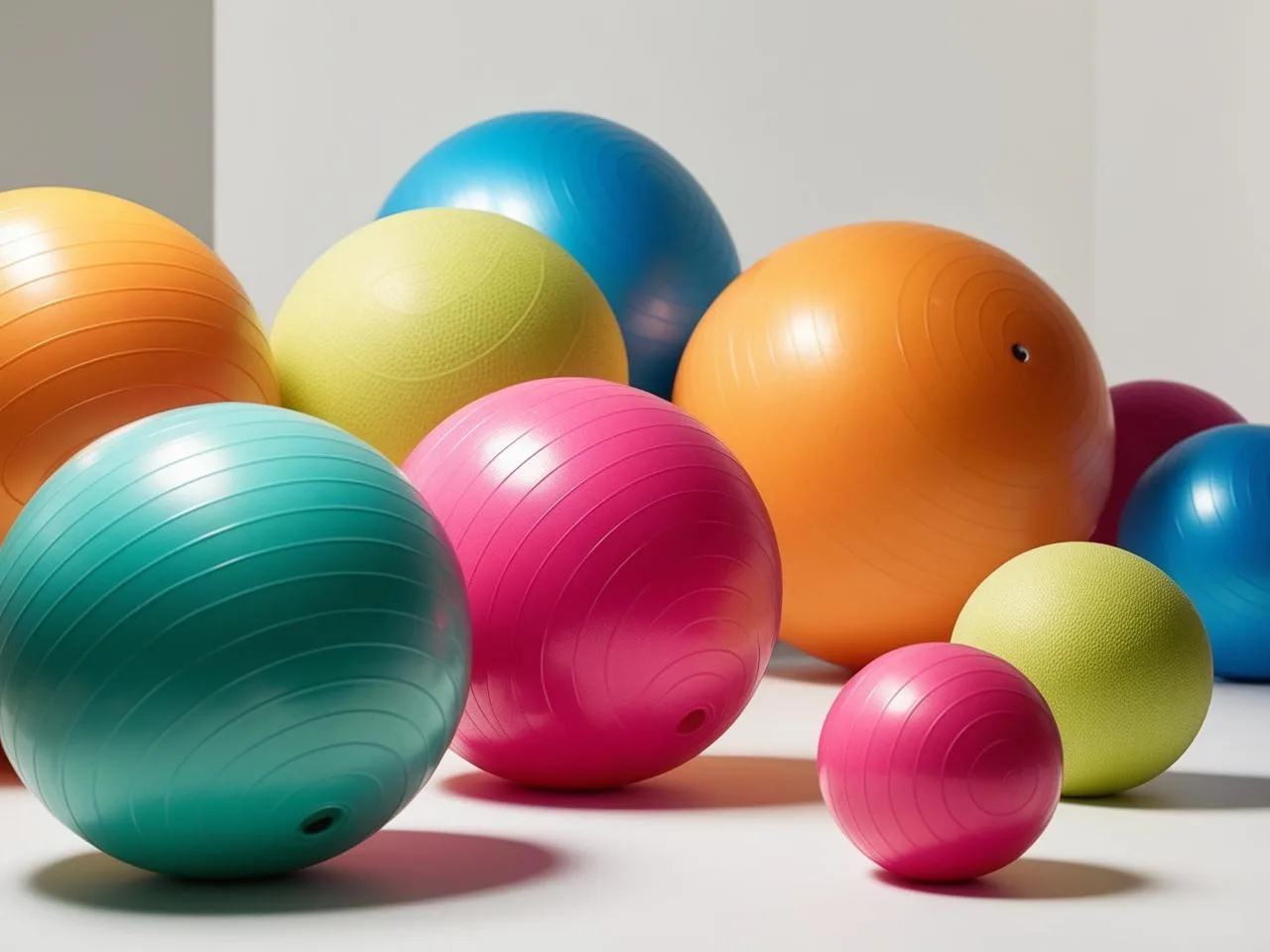
- Contributes towards core fitness and adds flexibility.
- They are useful in therapies that focus on correcting posture, shoulders, and back.
Treadmills and Ellipticals (Low-Impact)
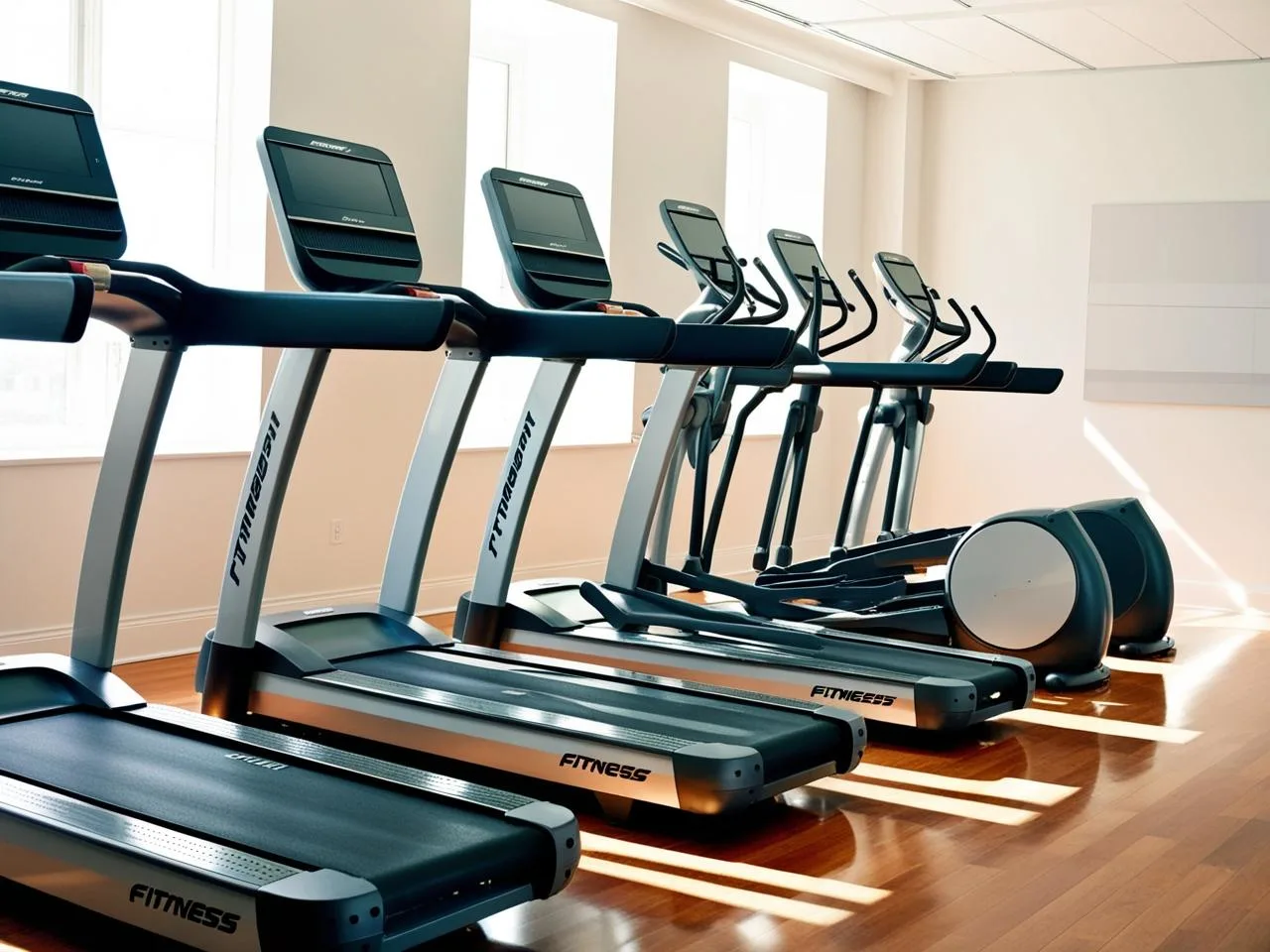
- They are made for recuperating cardiovascular abilities as well as endurance training.
- Commonly used pre and post surgery for knee, hip, and leg injuries.
Arm and Leg Ergometers
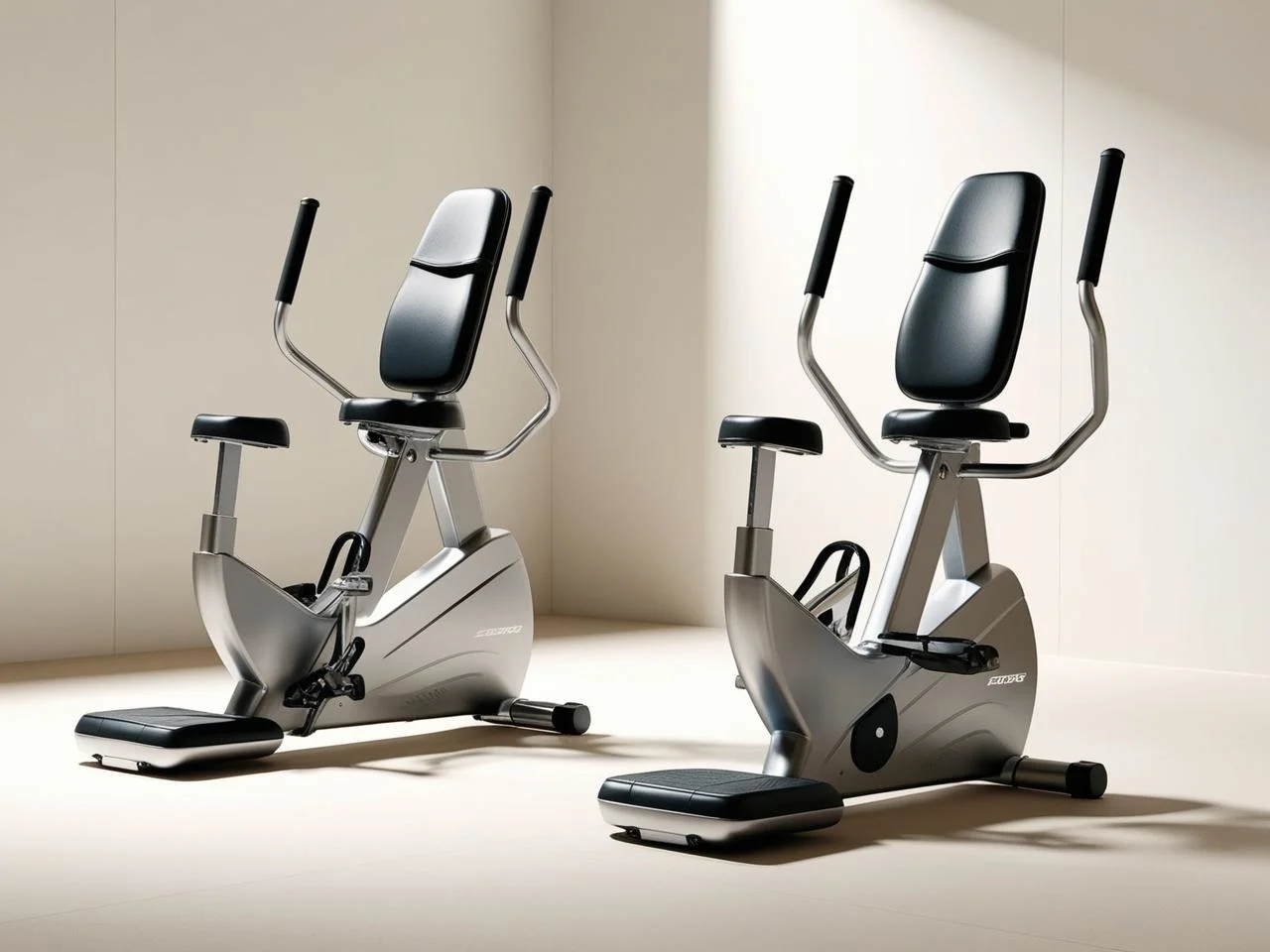
- Upper and lower body rehabilitation through cycling motion can be done with these.
- Ideal for patients recovering from a stroke or those wishing to improve blood circulation.
Electrical Muscle Stimulators (EMS)

- They are used to induce muscle contraction to minimize atrophy.
- Best used when movement is restricted to painful actions.
Foam Rollers and Massage Tools
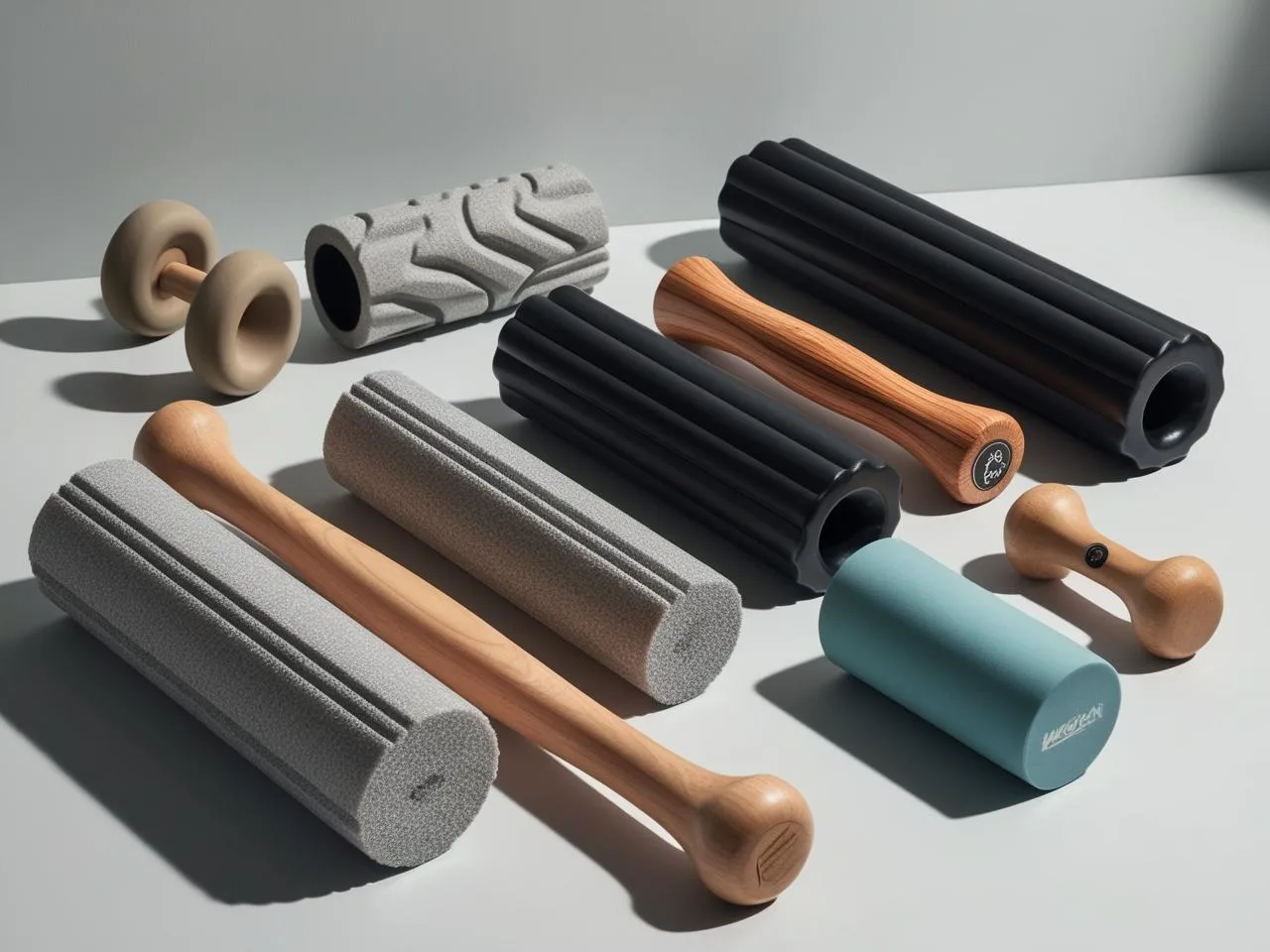
- Help clear muscle tightness, lessening its force in addition to increase blood circulation.
- Awesome for pre activity and post-activity routines.
Tailor Your Options to Suit Your Requirements

-
Analyze Your Injury Recovery
Once rehabilitation exercise equipment has been purchased, consider the advices of medical professionals in order to gain a proper understanding of what will be best for your condition.
Set Realistic Goals
Choose the equipment relative to your current ability and intended recovery goals.
Give Primary Importance to Safety and Comfort
Find easy to operate and adjust non-slip equipment to lower the chances of getting injured.
Confirm Quality and Durability
Buy quality equipment that can endure being used frequently without getting damaged easily.
At Home vs Clinical Rehabilitation Equipment
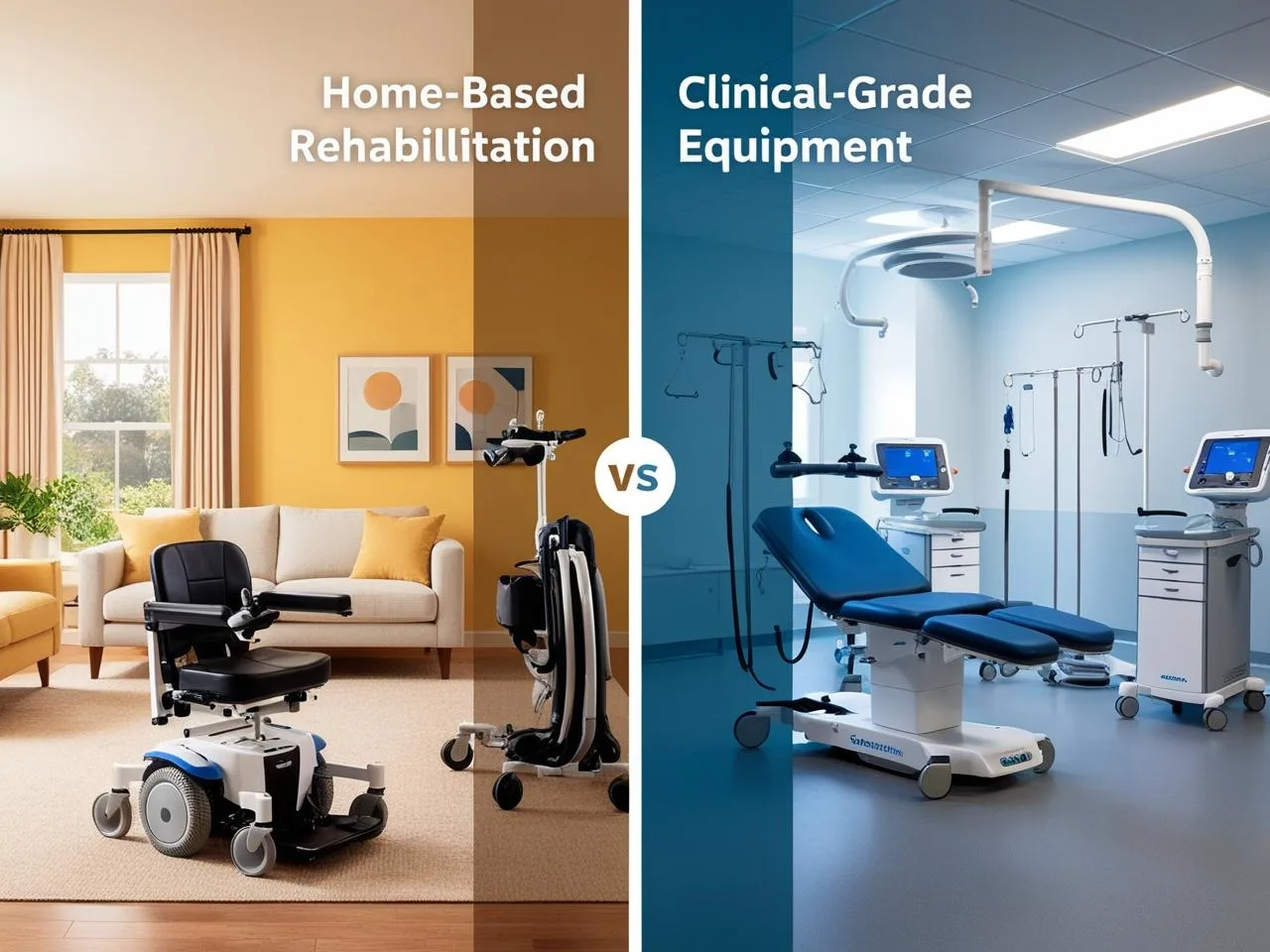
- Lightweight and simple to operate.
- Perfect for maintaining therapy outside the clinic.
- Contains bands, small weights, pedal exercisers, etc.
Clinical
- Sophisticated machines that are bigger in size.
- Usually comes with an electronic monitoring system.
- Used under supervision in physical therapy centers.
Tips For Safely Using Rehabilitation Equipment
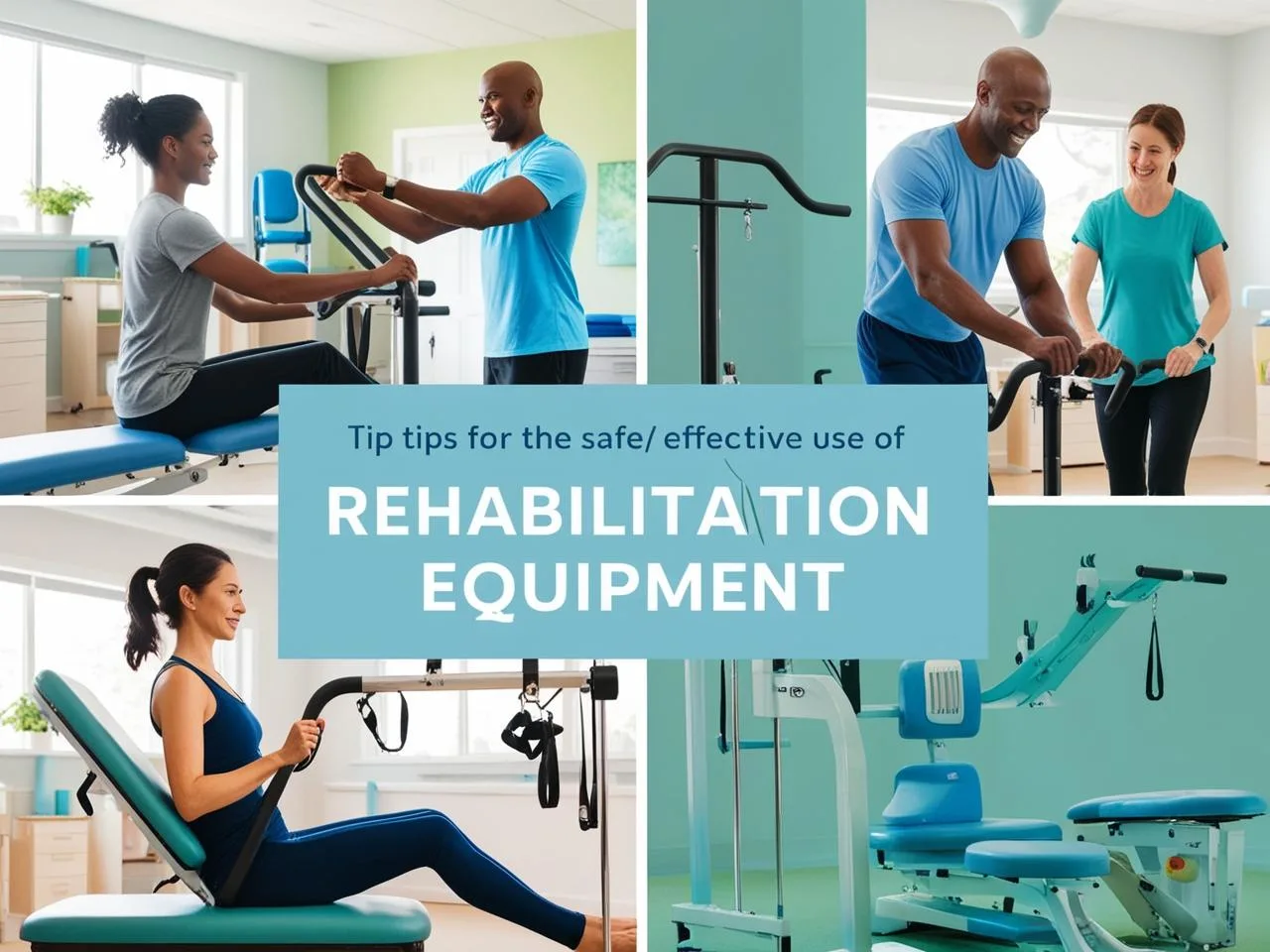
Warming up:
always start with slow stretches or movements.
Follow instructions:
operate as per a professional or the issuer’s guidelines.
Start slow:
increase intensity and length gradually.
Listen to your body:
if you feel any pain stop.
Consistency is key:
- Routine use has better results.
- Senior citizens gentle movements and safety are essential, so yes, most rehabilitation tools are perfect
Am I able to perform physiotherapy exercises using rehab equipment without the supervision of a physiotherapist?
Yes, a professional should be consulted before undertaking any rehabilitation program, but basic tools such as resistance bands and foam rollers are generally safe.
For what cross-section of conditions and patients do orthopedic braces need to be used and in what cases have you noticed rehabilitation tools being used the most?
Use will vary depending on the condition, but being consistent over weeks or months is almost always required for improvement.
Conclusion: Why Thoughtful Investment in Rehabilitation Exercise Equipment Makes a Difference
Recovery is a long term process, and having the right strategic supporting tools for effective rehabilitation exercise equipment can make a big difference. If you are with an experienced physical therapist, the tools enable better results, and if you are working independently the right tools were necessary to bring you back to functional life – it adds confidence.These tools, which, when chosen wisely and used correctly, become your best companions on the road to recovery.